Every Nigerian Election Feels New, But Almost Nothing Is
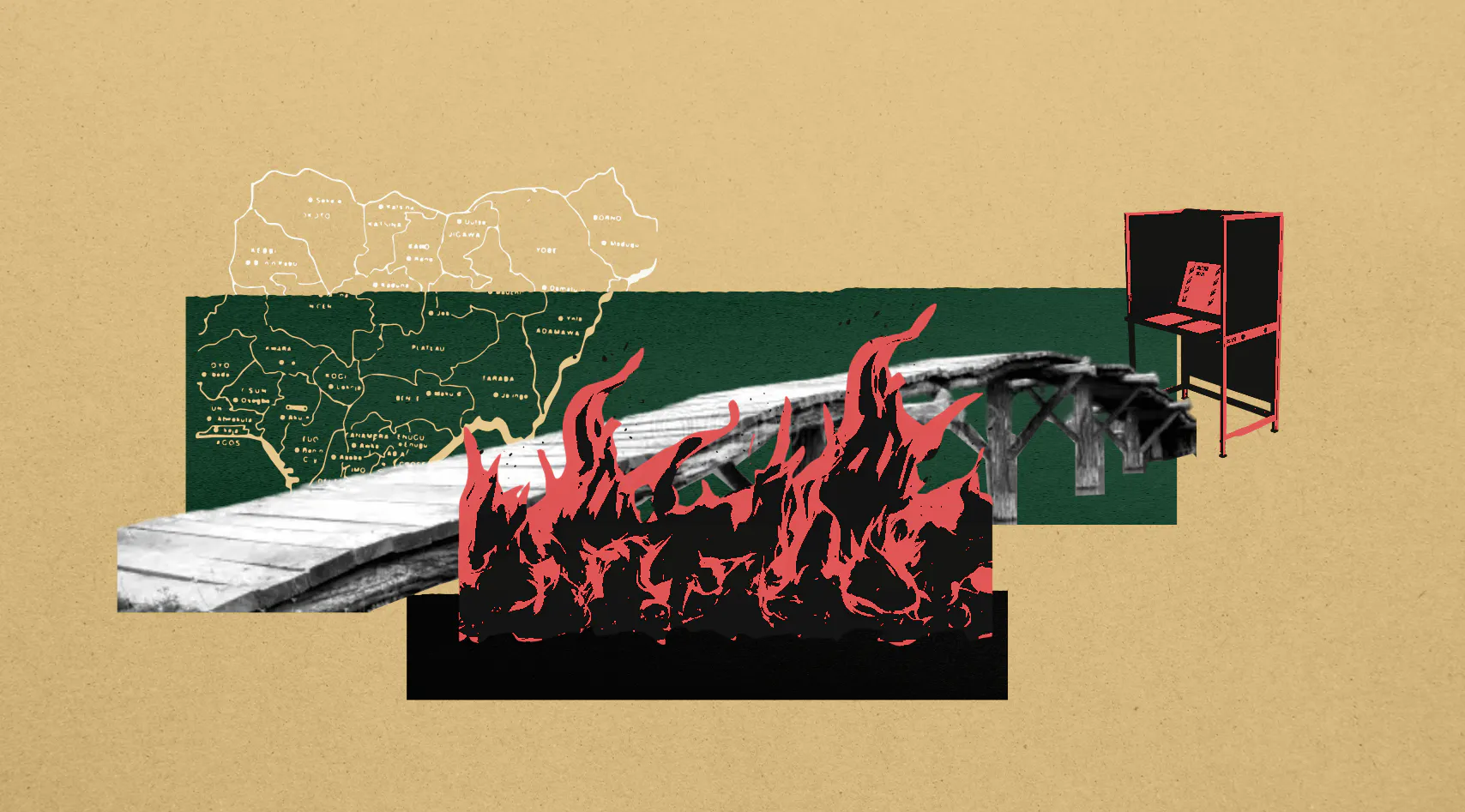
On Thursday morning, March 18, 1965, early morning voters in Uburu, near Abakaliki, arrived at their polling station only to find that a wooden bridge leading into the community had been set on fire.
A police source later confirmed what everyone already suspected: that the fire was directly connected to the general election. It was a high-stakes constituency where the former Federal Minister of Education, Aja Nwachukwu of the National Council of Nigeria and Cameroons (NCNC), was facing a fierce challenge from Aja Eze, and someone had decided that the most effective way to swing the result was to physically cut off access so voters could never reach the polls.
Every four years, over the past three decades, a familiar wave of anxiety takes over Nigeria, and we often approach our elections with the idea that each cycle is a clean slate. But the reality is that our political system has a long, deep memory. While the technology has changed over the years and new political parties have come and gone, what has remained constant are the core human patterns, including the strategies used to win elections, the administrative hurdles, and the difficulties voters face at the polls.
To understand why our elections run the way they do today, beyond the last few election cycles, we have to go back over 60 years to a specific Thursday morning when the basic script of Nigerian electoral politics was being recorded in real time.
As reported by the Daily Times in March 1965
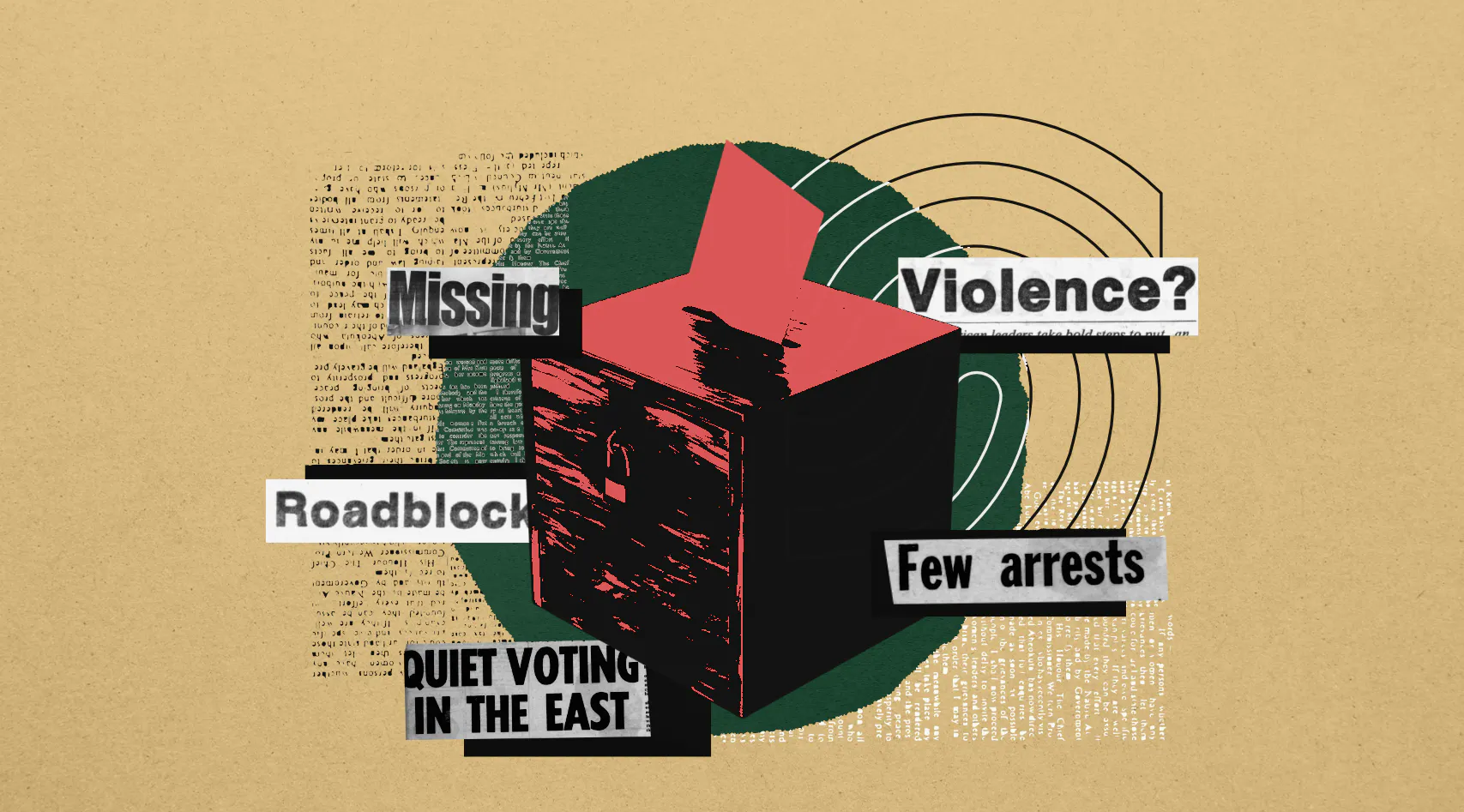
The burning bridge incident in Uburu captured a country dealing with the same messy realities we see today. If you removed the 1965 date and the politicians' names, the stories would read as if they were written on the morning of an election in 2026.
In the same election 61 years ago, another incident took place a few hours away in Aba, where eligible voters queued outside polling booths. They had their 1963 census cards in hand, ready to vote, but ended up stranded. Because their names were missing from the final revised voters’ list, they could not vote until the situation cleared up around 10 am.
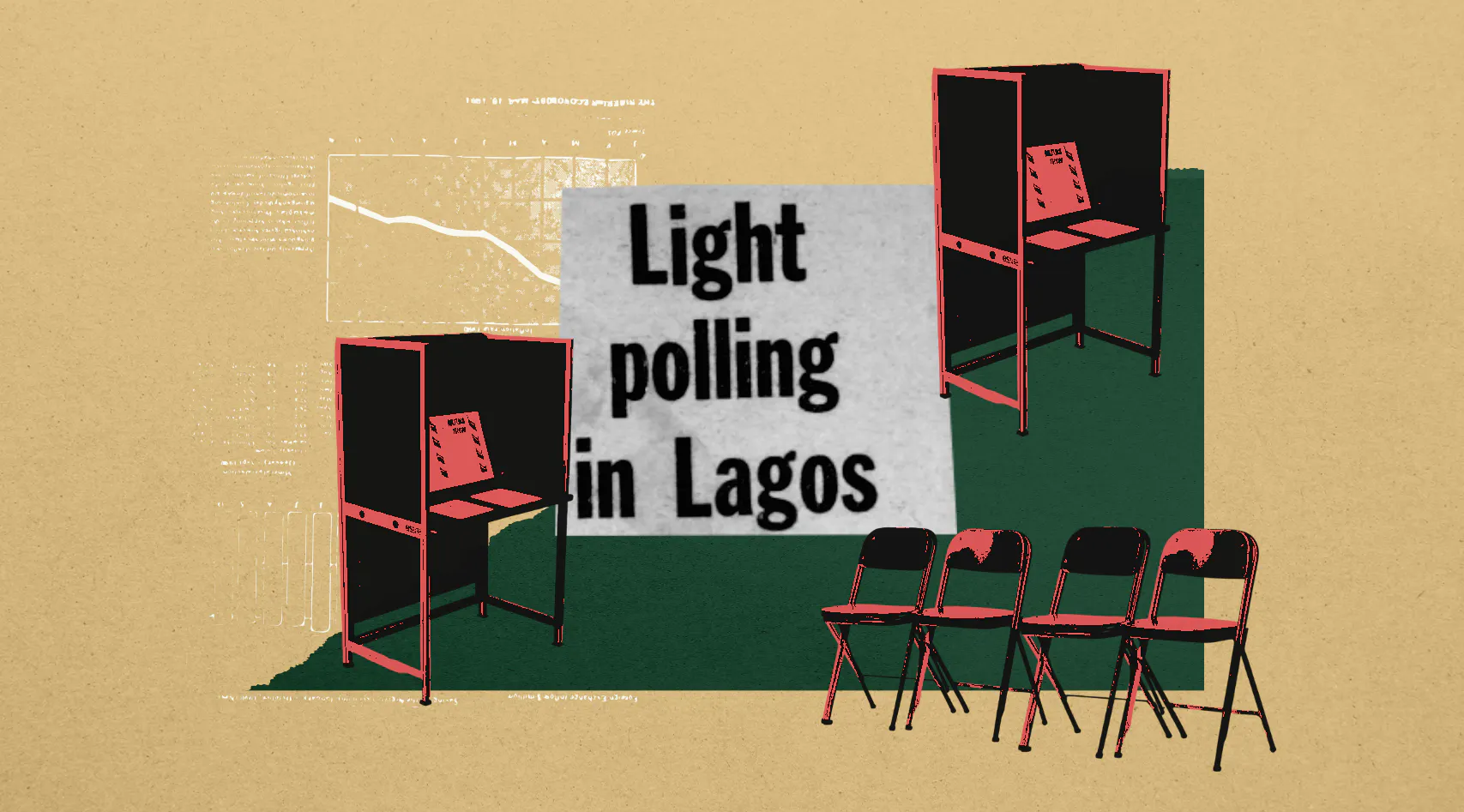
Meanwhile, in Lagos, people did not show up. Political observers who walked through all three of the then capital’s constituencies – Lagos Central, Lagos North East and Lagos South – called it one of the “dullest and most unenthusiastic” elections Lagos had ever seen.
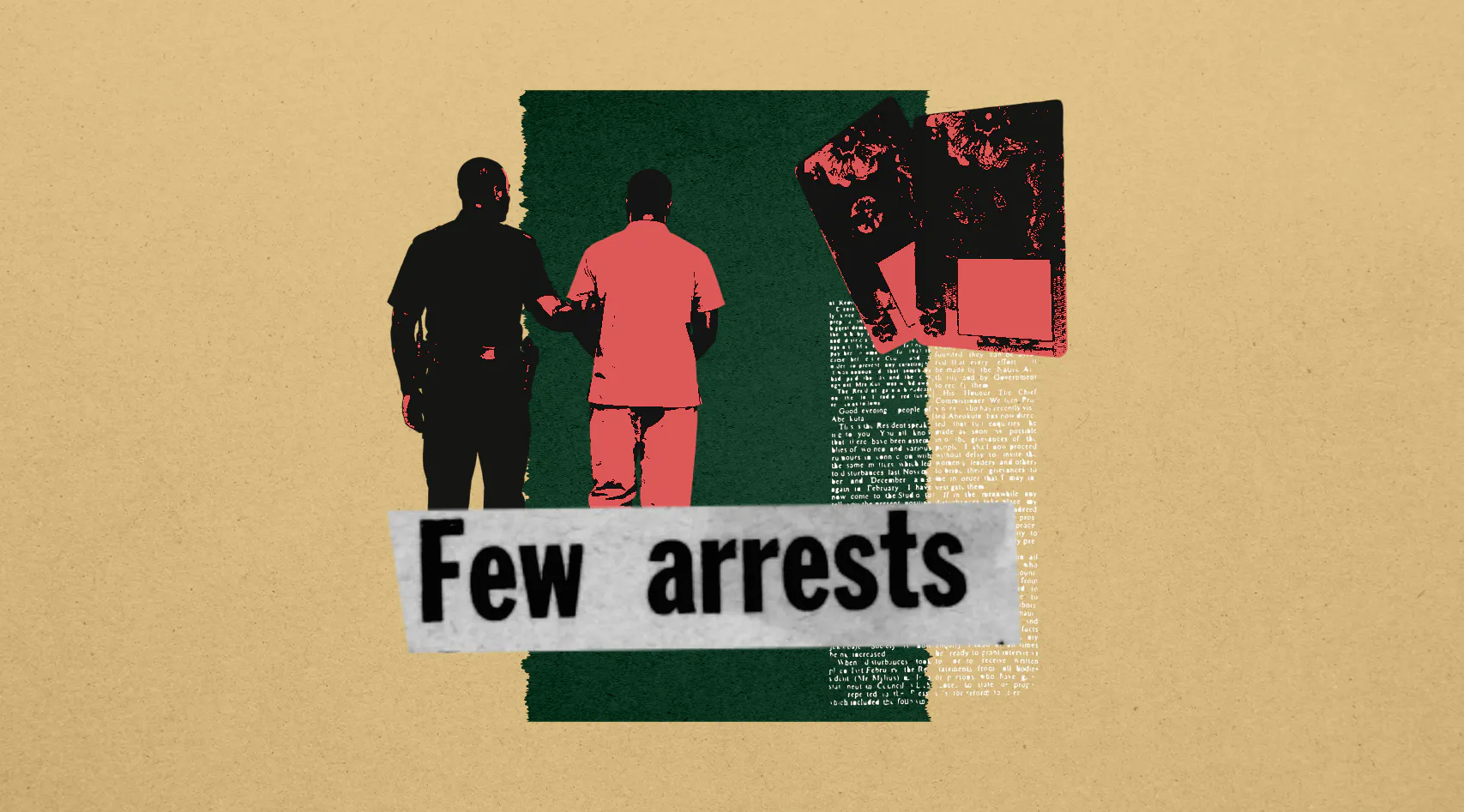
Where voters did turn up, law enforcement spent the day catching people trying to game the system. In Enugu, the police arrested a man for having three separate voter registration cards on him. Outside the same booths, four men were picked up and put in a police van for “patrolling aimlessly” around the voting area.
In Umuahia, an older man was stopped at a polling station and caught carrying two duplicate registration cards. Back in Lagos, four men were arrested at a polling station on Apapa Road for impersonation. The word on the ground was that they had been driven down from Abeokuta to influence the vote.
By afternoon, the tension turned physical. In Calabar, a leader of the Northern People’s Congress (NPC), Andrew Bassey, was rushed unconscious to the Calabar General Hospital. Police reports confirmed he suffered severe injuries after being attacked by a group of eight political thugs.
The anatomy of a Nigerian election
Looking at these records, alongside contemporary headlines, it becomes clear that the scripts have not changed much. The tactics might just have been upgraded.
A burning bridge in 1965 was a dug-up access road in 2023. This time, Governor Yahaya Bello dug up major access roads leading to the senatorial district of his main political rival, Natasha Akpoti-Uduaghan, on the eve of the 2023 general elections. Beyond infrastructure disruption, armed thugs in states like Lagos attacked polling units, fired shots to disperse voters, and snatched or destroyed ballot boxes to alter results.
The missing names on the voter register in Aba also mirror the administrative friction witnessed during Nigeria’s last general elections. There were reported registration hitches, unissued Permanent Voter Cards (PVCs), and system glitches that left many stranded outside polling booths for hours, unable to find their names on the official list.
Even the ghost town atmosphere of Lagos in 1965 walked right into the modern era. Despite the massive online buzz and millions of newly registered young voters leading up to the last cycle, the actual physical turnout on election day plummeted to a record low of 26.7% nationally. In fact, major commercial hubs like Lagos and Oyo recorded some of the lowest voter turnouts in the country. The apathy observed six decades ago remains a stubborn reality that has refused to disappear.
Breaking the four-year reset
Six decades separate the burning bridge in Uburu from the excavated roads and disrupted polling units of 2023, but the underlying mechanics are identical. Different legislation and policies have tried to address these issues, but the structural issues—a political elite entitled to power and masses who act resigned to this—mean breaking this reset remains an idea.
As we look toward 2027, the names on the ballot and the political parties will likely look different. But the patterns, from the logistical failures to the regional tensions, will follow a very familiar line.
If history is anything to go by, the playbook for the next election has already been written. We just have to look back to see it coming.
Credits
Editors: Samson Toromade, Afolabi Adekaiyaoja
Illustrations: Adeoluwa Henshaw