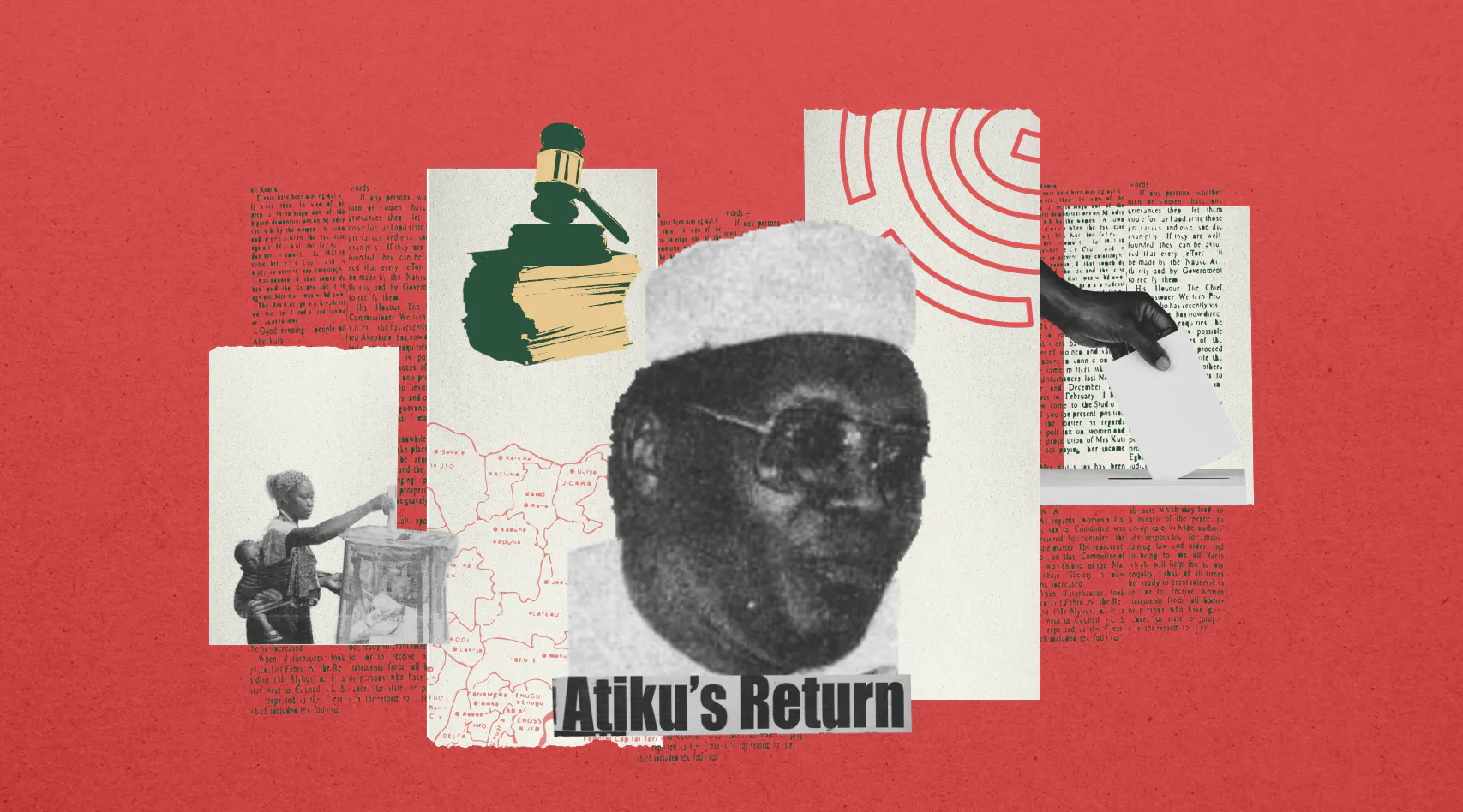
How Atiku Abubakar Entered Nigerian Politics
At 80, Atiku Abubakar is one of Nigeria’s oldest-ever presidential candidates.
He’s also one of the most prolific contestants, with 2027 being his fourth time on the ballot, beaten only by Buhari, who contested five times and won twice.
But how exactly did a former Customs officer rise through Nigeria’s political ranks to become a constant presence gunning for the country’s number one position across three decades?
We have to go back more than 30 years
Atiku was 43 years old and fresh off a long career in the Department of Customs and Excise, where he had risen from an assistant preventive superintendent in the mid-1960s to deputy director before retiring in 1989.
Along the way, he had become an influential figure in Gongola State. In 1982, while serving as area administrator of the Apapa Port Complex in Lagos, he was conferred the traditional title of Turakin Adamawa in recognition of his contributions to society.
By the late 1980s, he had also begun to make a name for himself in politics, serving as national vice chairman of the People’s Front of Nigeria (PFN), a political organisation founded by Shehu Yar’Adua that later became a major pillar of the Social Democratic Party (SDP).
So when media reports in 1990 indicated he was eyeing the governor’s seat in Gongola State, many already saw him as a serious contender because of his political standing, wealth and influence.
But before the election could take place, the political landscape changed dramatically. On August 27, 1991, the Ibrahim Babangida regime split Gongola State into Adamawa and Taraba as part of a national restructuring that increased Nigeria’s number of states from 21 to 30.
The state split also eased some of Atiku’s political headaches. With the creation of Adamawa State, he no longer had to contest the areas that became Taraba State, a largely Christian region made up of many different ethnic groups that was widely seen as a difficult electoral battleground for him.
In October 1991, he won the SDP governorship ticket and was a favourite to win the main election in December. However, his victory was controversial because the party’s returning officer, Ebere Osieke, announced the result in Lagos rather than Adamawa, a violation of electoral guidelines.
After investigations, the National Electoral Commission (NEC) cancelled the governorship primaries in 13 states, including Adamawa, and disqualified some aspirants, including Atiku, from participating in a rerun.
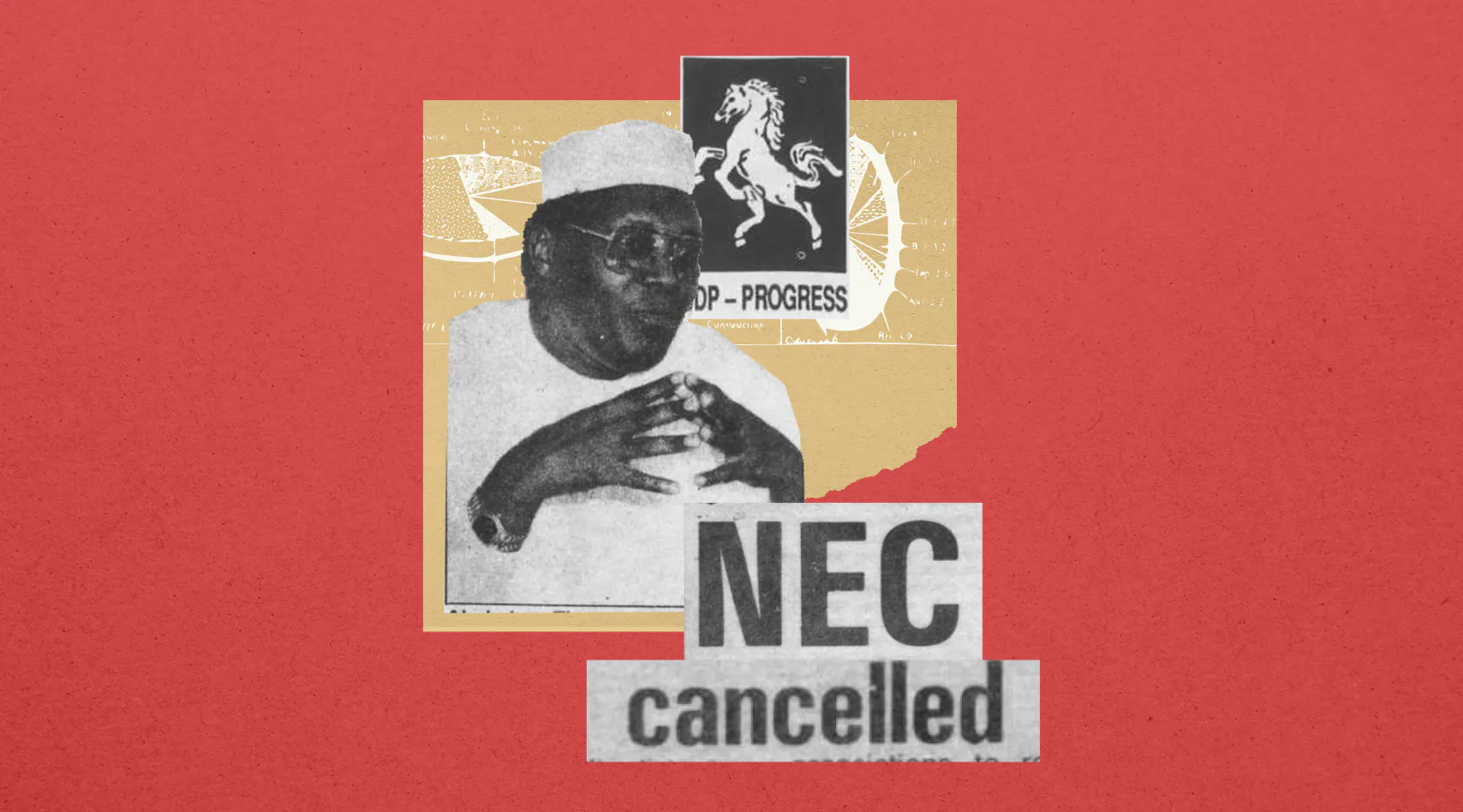
Back so soon…
The setback proved temporary.
By early 1992, Atiku had found a new role as secretary-general of the Shehu Musa Yar’Adua Presidential Campaign Organisation, placing him at the heart of one of the SDP’s most influential political networks.
When Yar’Adua won the party’s presidential ticket later that year, the NEC cancelled the result and barred him from taking part in a fresh contest, just as it had done to Atiku after the Adamawa governorship primary.
With Yar’Adua out of the race, his influential political network rallied behind Atiku, who re-emerged as one of the leading contenders for the SDP presidential ticket in 1993.
During the party’s first primary ballot at the Jos national convention, Atiku finished third with 2,066 delegate votes, behind former party chairman Babagana Kingibe with 3,225 votes and MKO Abiola with 3,617 votes.
But before the second and final ballot, Atiku withdrew from the race, as part of a deal Yar’Adua’s camp made with Abiola to help his chances. The businessman won the final ballot, beating Kingibe with around 200 votes.
Despite what the Yar’Adua camp considered a gentleman’s agreement to pick Abiola’s running mate, he did not name Atiku. Instead, he picked Kingibe, forming a formidable ticket that presumably won the June 12, 1993 presidential election.
The Babangida regime would later stop the official counting of votes and annul the election, and the General Sani Abacha coup later that year effectively ended Nigeria’s Third Republic.
Back again, and again, and again
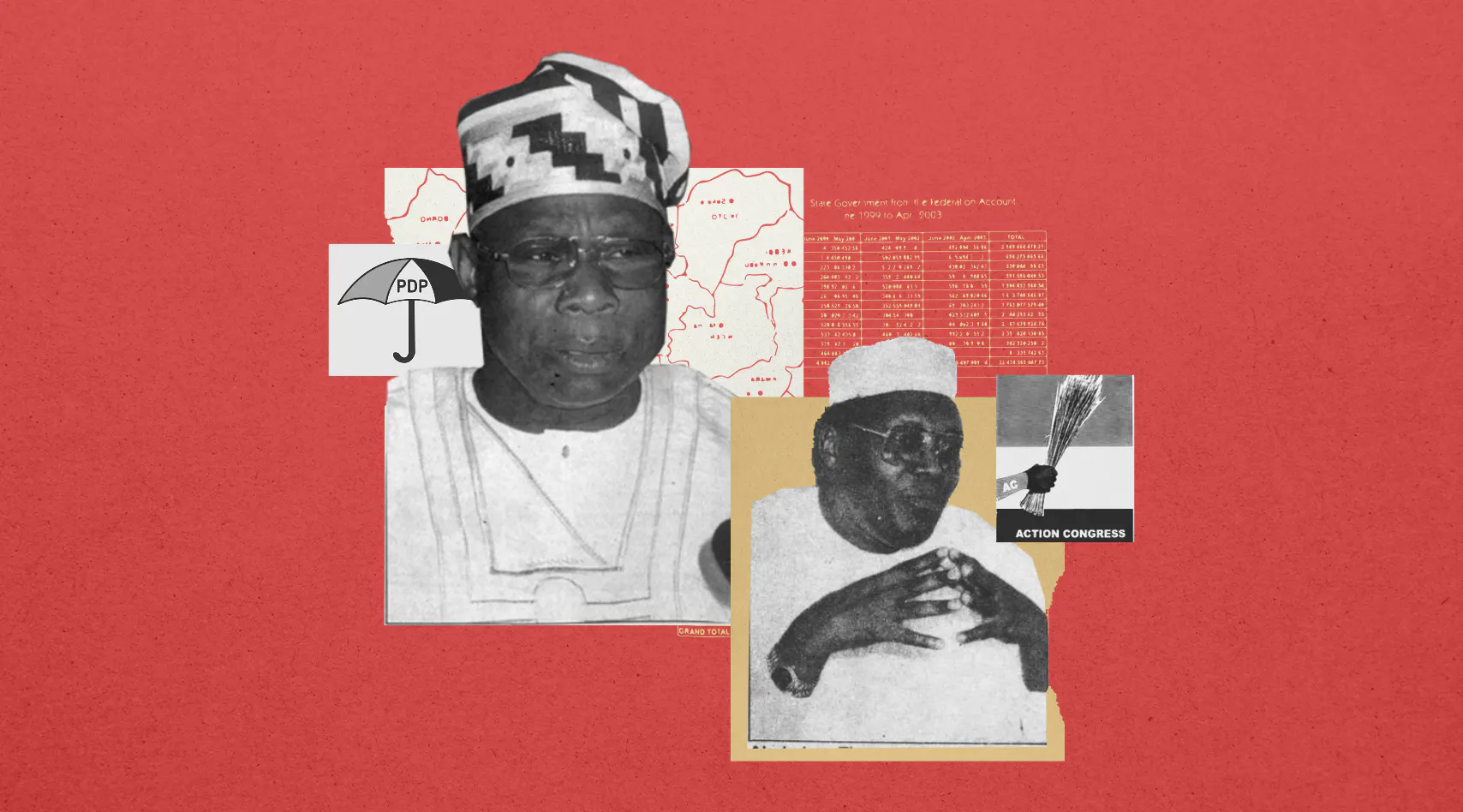
When Abacha died in 1998, Atiku returned to politics as a prominent member of the People’s Democratic Movement (PDM), and became a founding member of the People’s Democratic Party (PDP).
He won the Adamawa governorship election in 1999, but never took office because he became the running mate of the party’s presidential candidate, Olusegun Obasanjo. P.M. News reported that his nomination was partly a recognition of his “quiet disposition” and “financial contributions to the party.”
Atiku served as vice president from 1999 to 2007, before running for president in 2007 as the Action Congress (AC) candidate, finishing third; losing the primaries in 2011 (PDP) and 2015 (APC), and running again as the PDP candidate in 2019 and 2023, finishing second both times.
Atiku Abubakar will return in the 2027 presidential election.
Credits
Editor: Afolabi Adekaiyaoja
Illustrations: Adeoluwa Henshaw