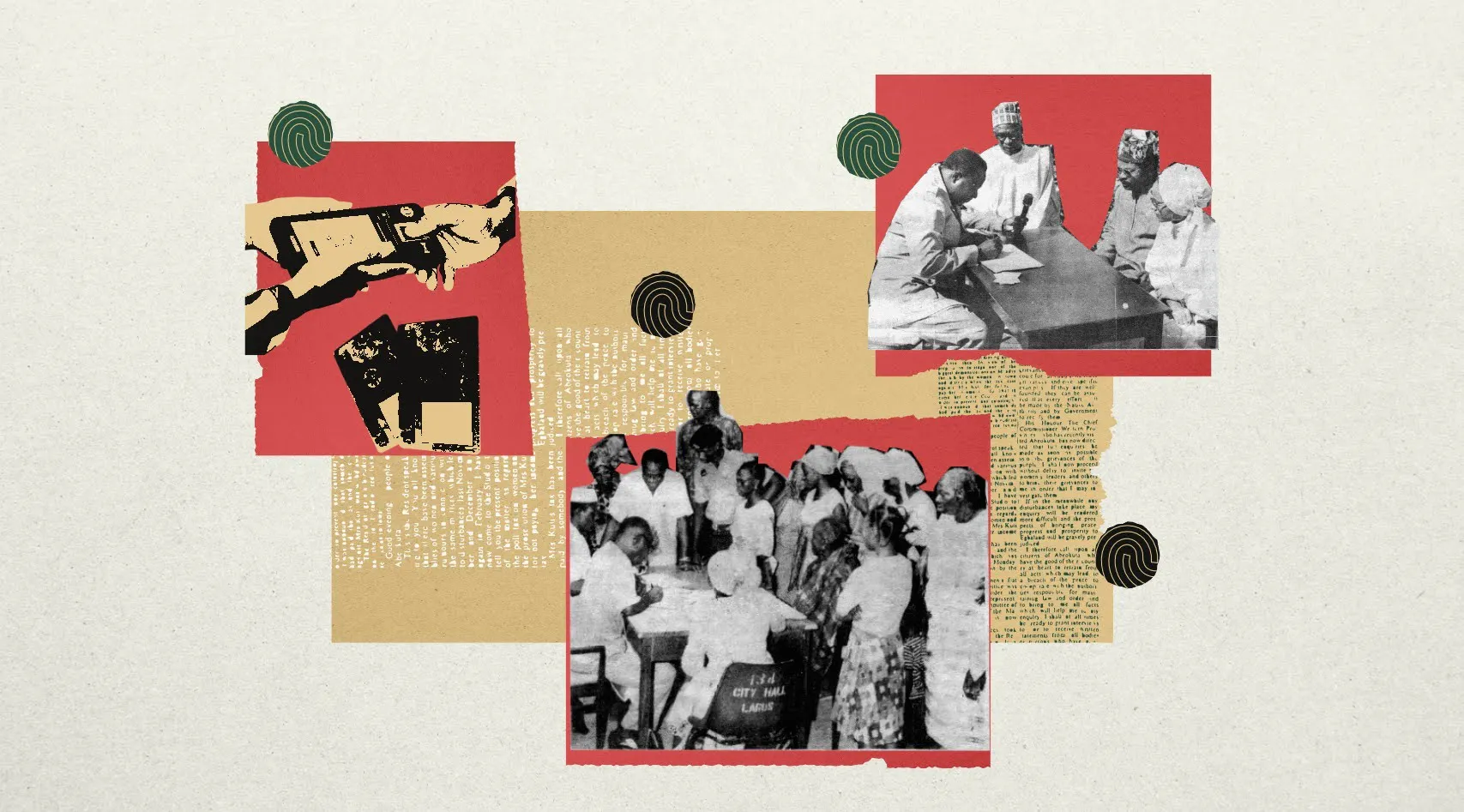
In 1978, Nigerians Registered for Voter Cards at Home
Today, registering to vote in Nigeria usually means finding your nearest registration centre, joining a queue and hoping the process goes smoothly.
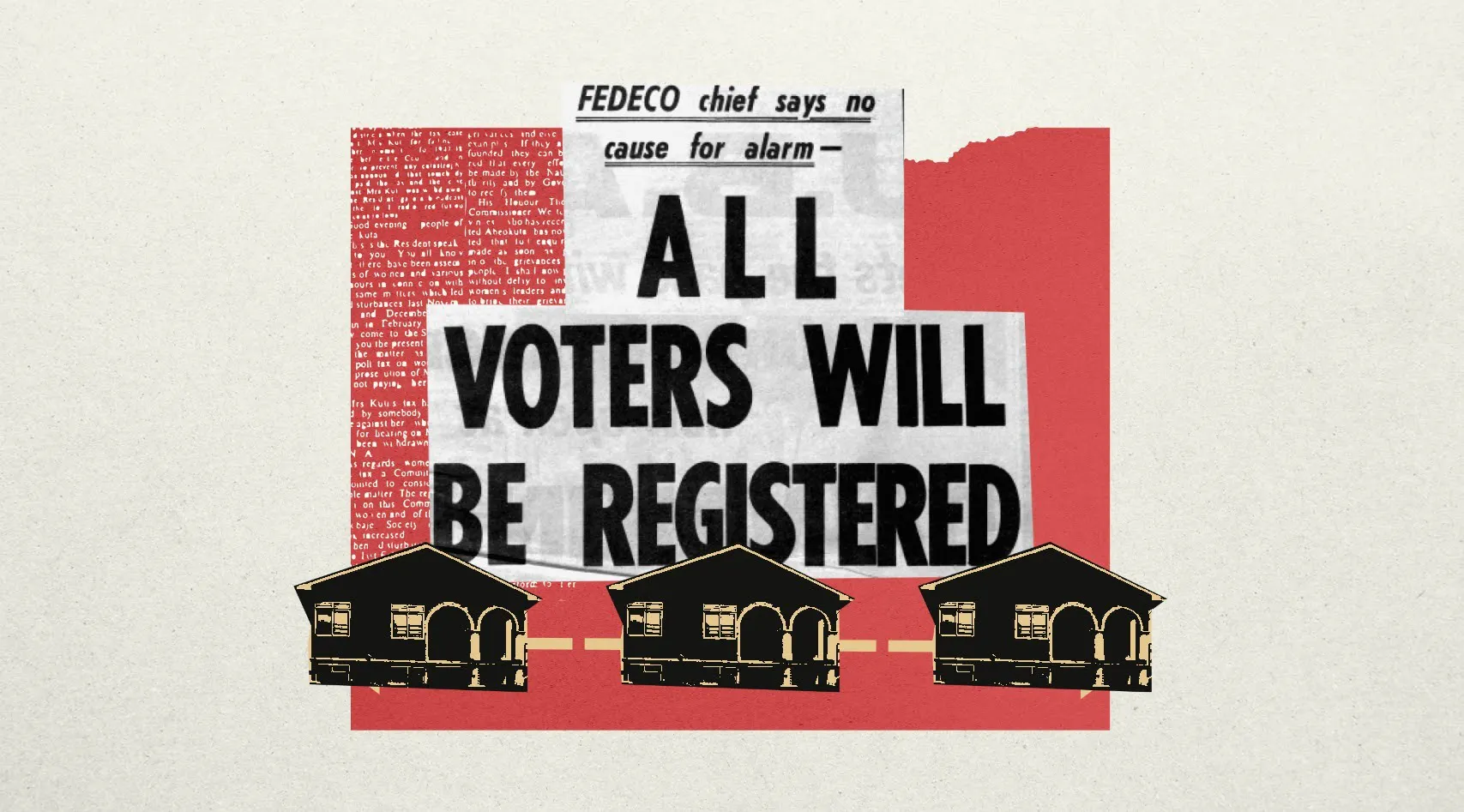
But when Nigeria prepared for its first presidential election in 1979, the system worked in the opposite direction. Instead of asking citizens to come to them, election officials went from house to house, registering voters where they lived.
It remains one of the most ambitious voter registration exercises in Nigerian history, and one that has never been repeated.
Why officials knocked on every door
The Federal Electoral Commission (FEDECO) believed house-to-house registration offered the best chance of producing a complete and credible voters' register.
There was another practical reason.
Nigeria was still under military rule, and political parties had not yet been allowed to operate. Without party structures to mobilise supporters or encourage voter registration, FEDECO concluded that the easiest way to reach eligible voters was to take registration directly to their homes.

A bigger electorate than ever before
The exercise arrived at a historic moment in Nigeria's democracy.
The 1977 Electoral Decree introduced full universal adult suffrage, allowing women across Northern Nigeria to register and vote in national elections for the first time.
The voting age was also reduced from 21 to 18. Even teenagers who were still 17 during registration could enrol using special forms, provided they would turn 18 before election day.
The plan wasn’t flawless
The system looked promising on paper, but it quickly ran into problems.
FEDECO had planned the exercise using population data from the 1963 census. By the late 1970s, those estimates were badly out of date.
Registration officers arrived in rapidly growing towns and cities to find far more eligible voters than expected. Metropolitan areas proved especially difficult, and schedules quickly fell behind.
As delays mounted, many Nigerians became anxious that officials might never reach their homes before registration closed.
Missing people, repeating visits
Those fears often became reality.
Many people were away at work when registration officers finally arrived, forcing officials to return again and again to the same neighbourhoods. Every repeat visit delayed the wider exercise.
There were also shortages of registration cards, meaning some Nigerians completed the registration process but still left without the documents they would eventually need to vote.
There were other problems
In some communities in Northern Nigeria, husbands refused to allow male registration officers to register their wives, creating additional barriers for women despite the expansion of voting rights.
The system also proved difficult for people who expected to move from their present locations before the election. National Youth Service Corps (NYSC) members and others relocating for work or study often chose not to register because they could only vote where they had originally enrolled.
Nigerians proposed solutions
As criticism grew, many Nigerians began suggesting an alternative.
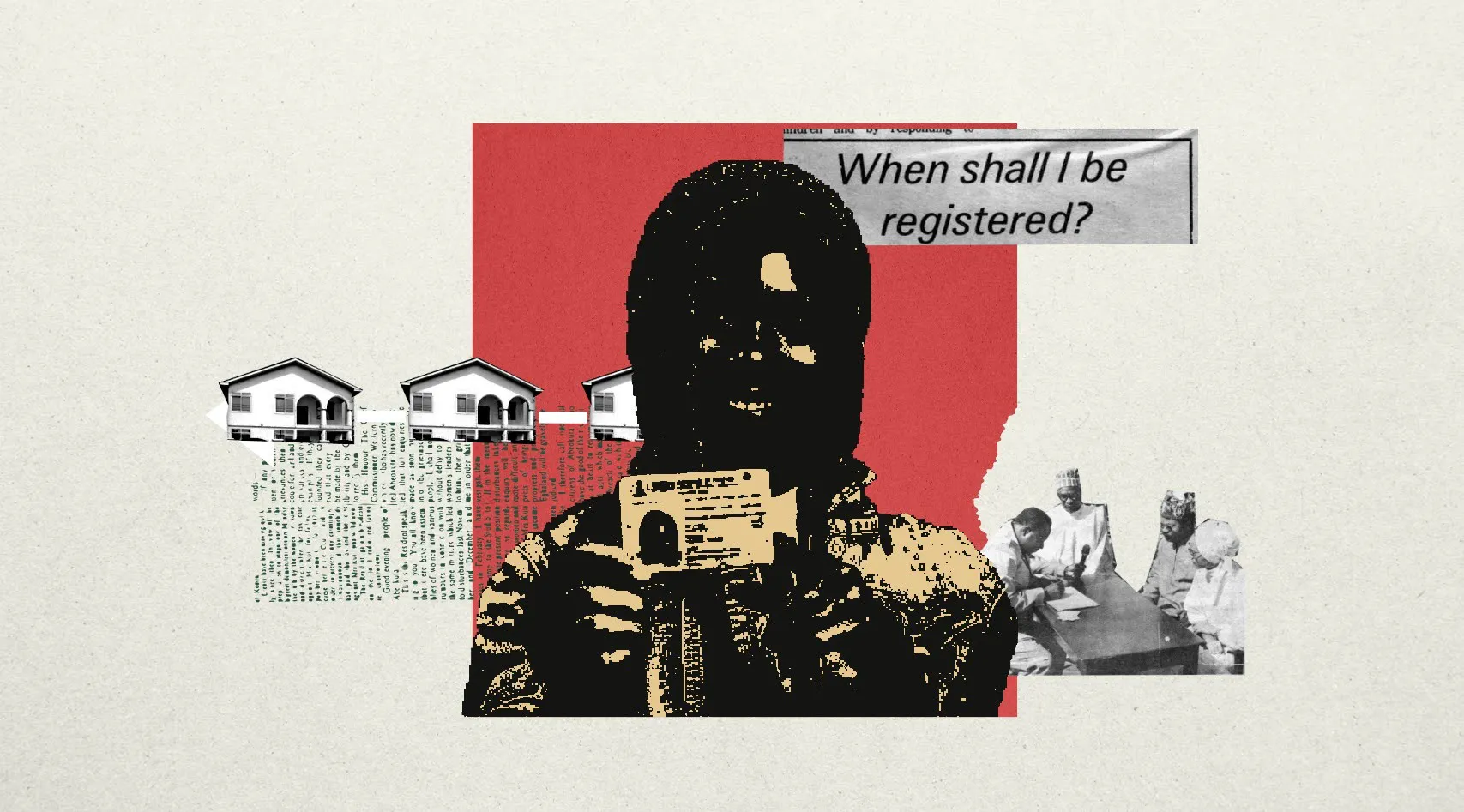
Instead of waiting for registration officials to visit every household, they argued that FEDECO should establish permanent registration centres where citizens could register whenever it suited them.
Others complained that public awareness of the exercise had been inadequate. Some also felt registration officers lacked the public relations skills needed to explain the process or reassure anxious residents.
The birth of registration centres
By the time registration closed, about 48 million Nigerians had been added to the voters' register, comfortably exceeding FEDECO's original projections of 39.5 million.
But the experience also convinced the commission that house-to-house registration was too difficult to sustain.
When FEDECO organised the next nationwide voter registration exercise in 1982, it abandoned the door-to-door model and introduced registration centres where citizens could register at locations convenient to them.
That basic approach has remained the foundation of voter registration in Nigeria ever since.
Credits
Illustrator: Adeoluwa Henshaw