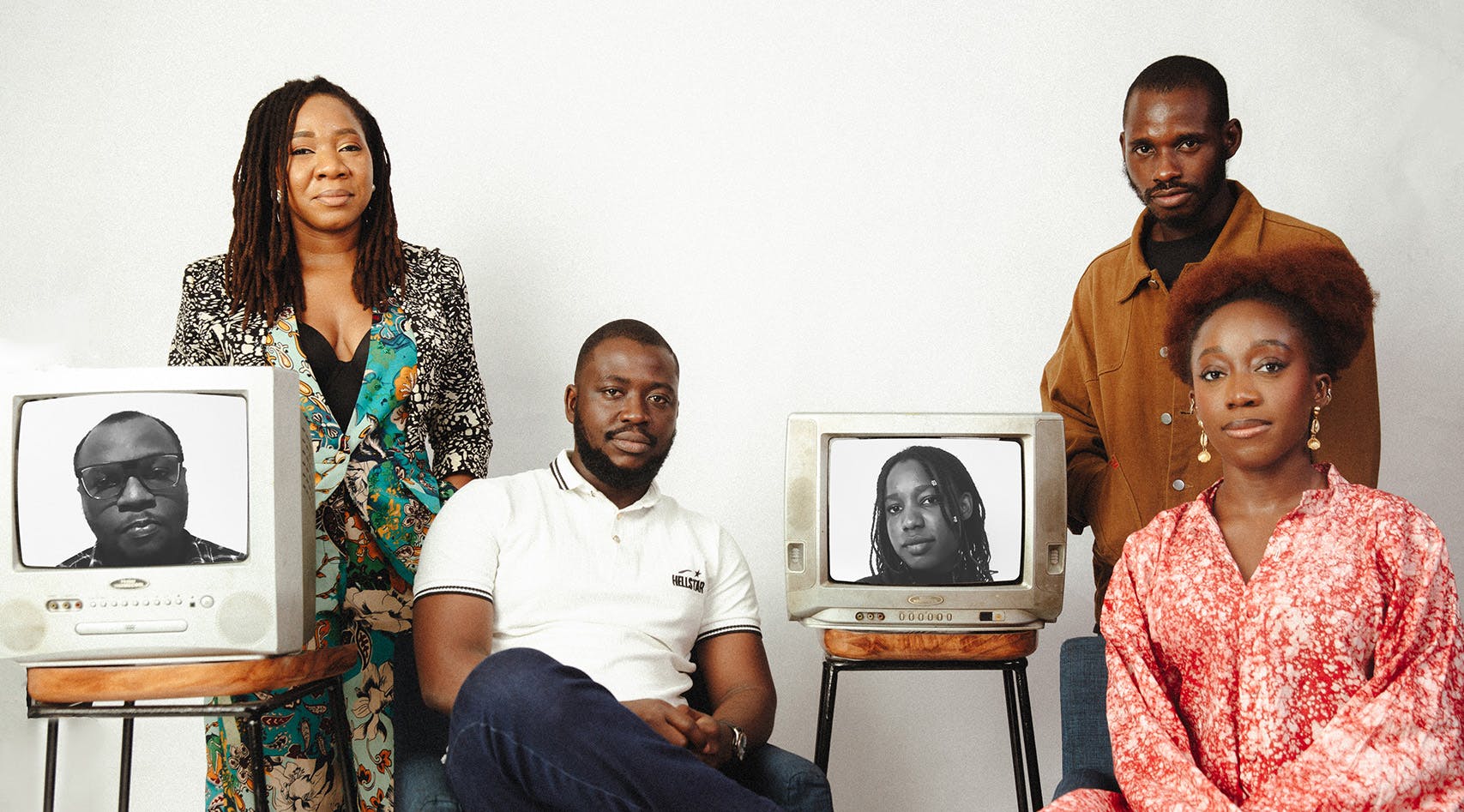
Say Hello to the Second Cohort of The Archivi.ng Fellowship
How does crime in Nigeria keep reinventing itself across generations? What patterns link the violence of the 1980s to the insecurity of today? What do election petitions tell us about Nigeria?
These are questions Archivi.ng believes we can answer when we step back, look across time, and trace what events keep repeating. Through The More Things Change, our two-year initiative, the second cohort of The Archivi.ng Fellowship is using research, storytelling, and technology to uncover patterns across Nigerian history.
The response to this year’s submissions call was remarkable. We received 1,290 applications from Nigeria and the diaspora, each bringing stories, data, and ideas that demanded careful consideration. After evaluating alignment with the theme, clarity, narrative strength, research depth, and readiness to execute, we selected six fellows whose projects promise to illuminate the questions at the heart of our work.
Four of the fellows are currently based in Nigeria, and two are abroad, in Ghana and the United States.
Say hello to the second cohort of The Archivi.ng Fellowship.
Ameze Belo-Osagie
Mez's research project, Bullets, Bribes and Ballots, collects court decisions on disputed elections in Nigeria and looks for repeating patterns from 1999 to 2023. The study examines more than 6,000 rulings from election tribunals and higher courts, concentrating on presidential and governorship disputes. By sorting these cases and explaining them in plain language, the project helps people understand past elections and see what parts of the law need fixing.
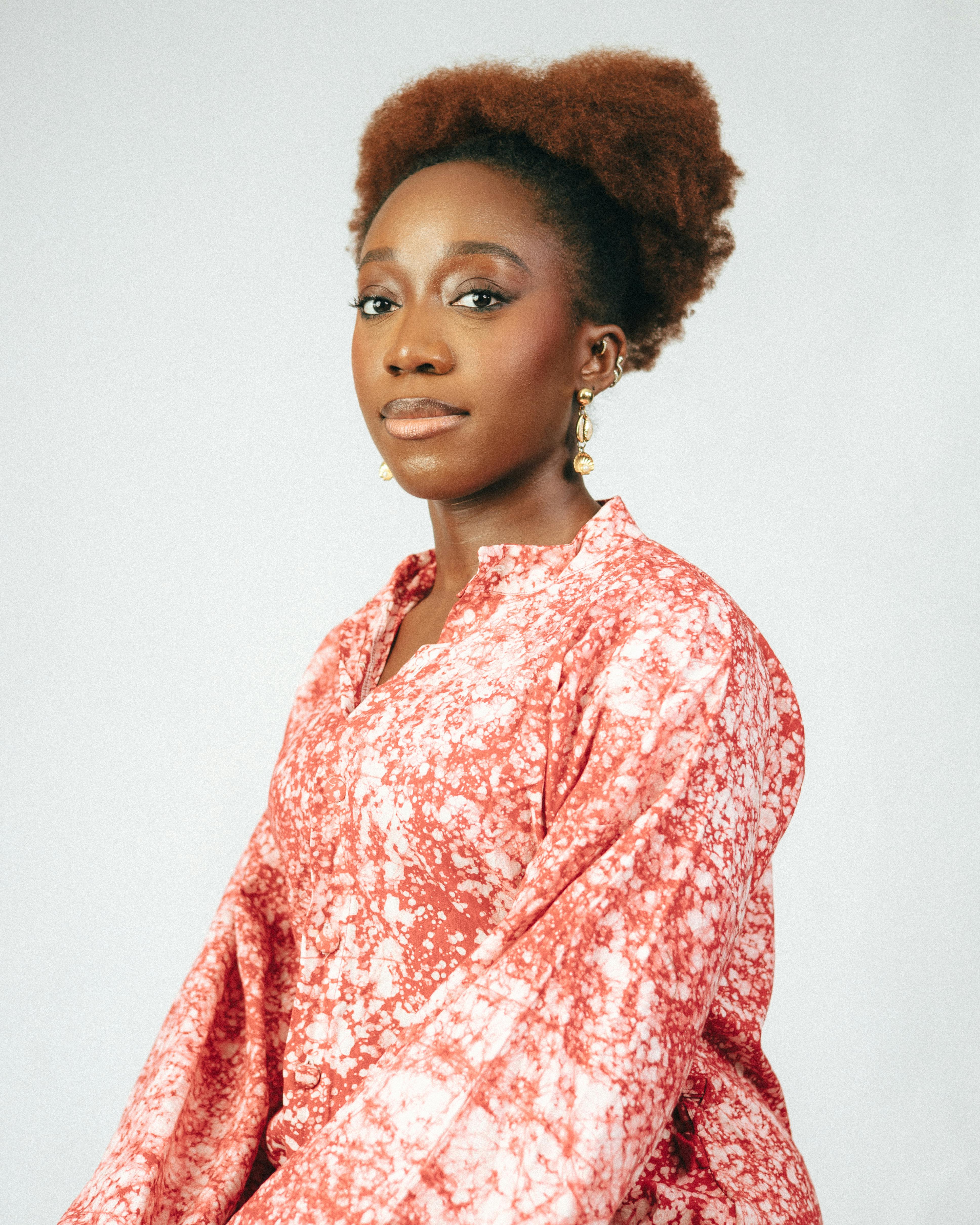
Mez is a lawyer, Knight-Hennessy Scholar, and PhD candidate in Political Science at Stanford University. Her work has been supported by the King Centre on Global Development, the Centre for African Studies, and the COMPACT Research Grant.
Chioma Onyenwe
Chioma’s podcast, It’s Not Me, It’s the Devil, explores real Nigerian criminal trials from history using archival materials and court records. Each episode examines a major case, showing the crime, the courtroom process, and its impact on society. The podcast reclaims these buried records of justice, helping listeners think more clearly about blame, accountability, and the workings of Nigeria’s criminal justice system.
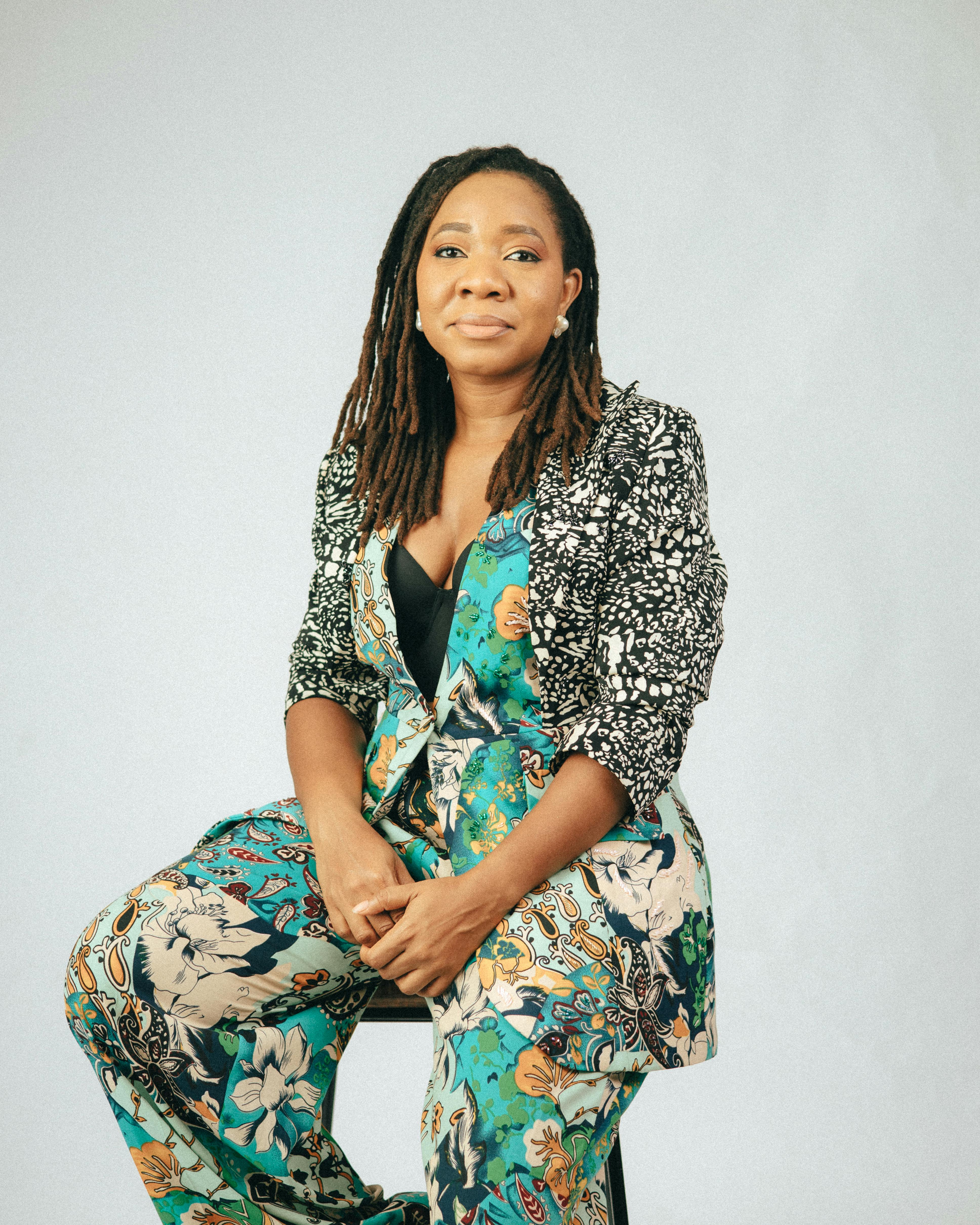
Chioma is a producer, director, and writer working across film, documentary, and audio. She is the creator of the true-crime podcast 23419, nominated at the One Media Awards, and has produced I Do Not Come To You By Chance, which premiered at the Toronto International Film Festival (TIFF) in 2023, and the award-winning The Legend of the Vagabond Queen of Lagos, which premiered at TIFF in 2024. She also co-directed Lace Relations and led the August Meeting Movement stage project, with her work centred on history, culture, and identity.
Festus Naphtali Adda
Festus’ research project, 80-25, studies the history of insecurity in Northern Nigeria from 1980 to 2025, offering a 45-year snapshot of a much longer story of recurring conflicts. The Maitatsine crisis of the 1980s provides a clear starting point, revealing patterns that reappear in later crises—from ethnic and communal clashes in the 1990s, to Boko Haram insurgency in the 2000s and 2010s, and the recent wave of banditry and kidnappings. The project consolidates missing data in one place to illustrate how these cycles of violence recur.

Festus is a data and research professional who works at the intersection of data collection, cleaning, and visualisation, across governance, peacebuilding, and development contexts. He has presented at technical and engineering-focused seminars and co-authored peer-reviewed publications in digital science, medical physics, and engineering research.
Become an ARCHIVI.NG member and get updates straight to your inbox
Kossiso Udodi
Kossi’s tech project, Peak and Decline, uses machine learning to answer a central question in Nigerian economic history: what is the real cost of governance decline? He will build an interactive system that tracks Nigeria’s peak governance periods using World Bank data and historical archives. Spanning 28 years, the project links governance to sector performance, showing which areas suffered most, how long recovery took, and offering a level of detail no existing analysis currently provides.
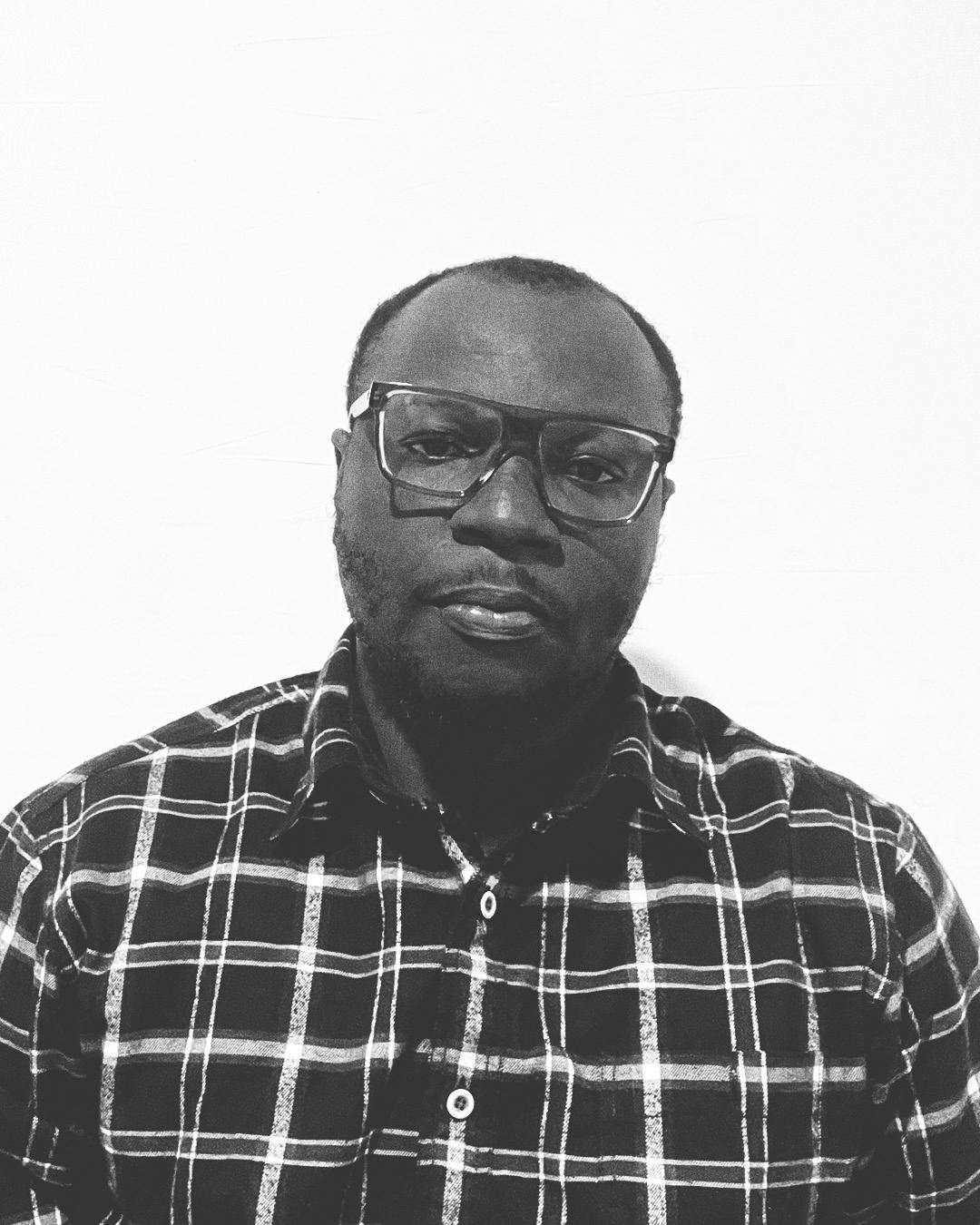
Kossi is a machine learning researcher and holds degrees in Computer Science and International Relations. He’s the research lead at Electric Sheep Africa, an AI research organisation focused on building data infrastructure. He spent years researching broadband policy and spectrum licensing, giving him a unique perspective on the intersection of technology and governance.
Olamide Àdìó
Olamide’s documentary, Odeshi Digital, traces the evolution of crime in Nigeria by following how it changed from the post–civil war era to the digital age, using Ishola Oyenusi and Ramon “Hushpuppi” Abbas as anchors. By treating crime as social history rather than spectacle, the project fills a gap in Nigeria’s historical memory and explains how each generation inherits, reshapes, and normalises crime under pressure.
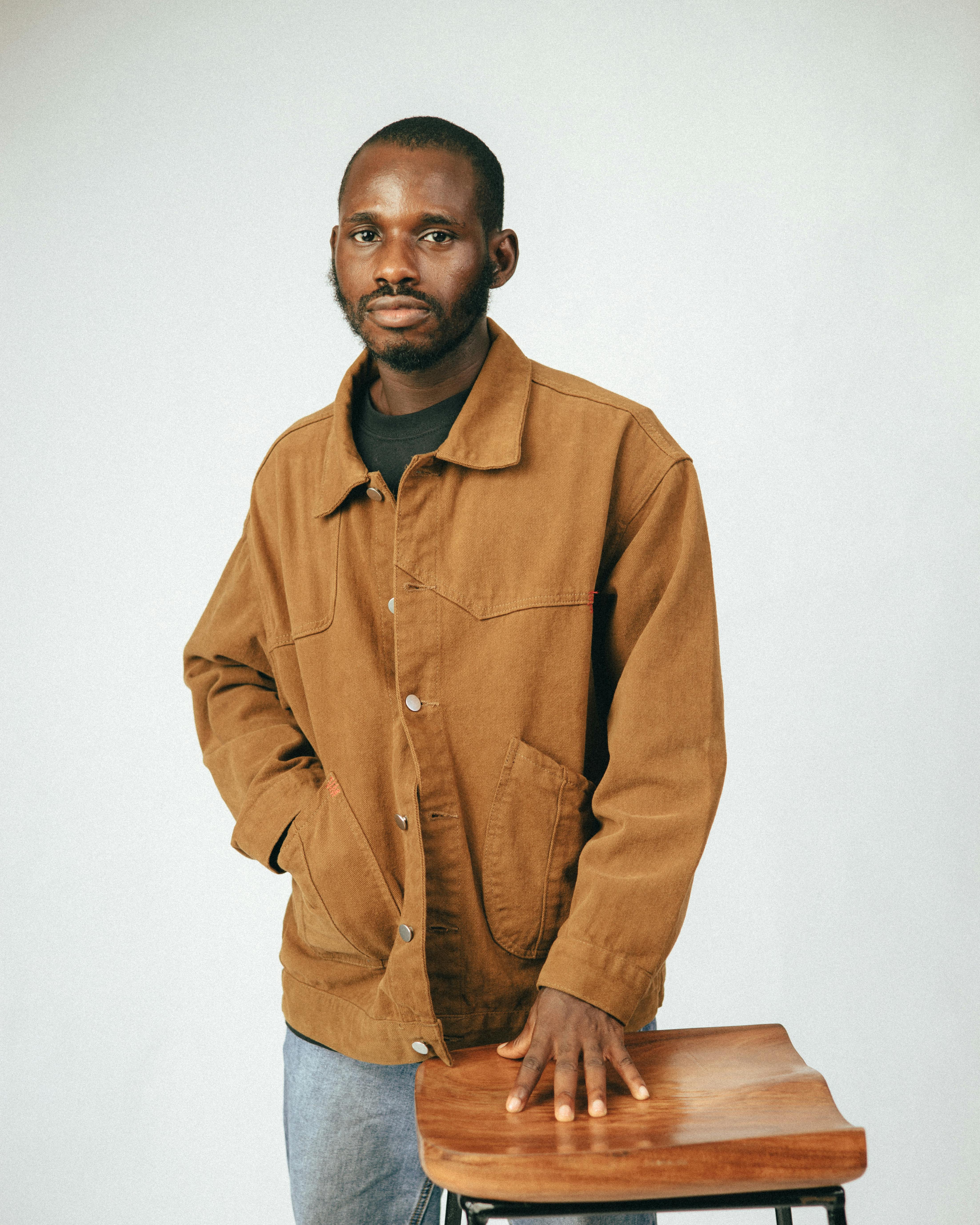
Olamide is a writer and filmmaker whose work bridges creative practice and cultural critique. His writing has appeared in A Long House, The Republic, Olongo Africa, Agbowo, and other platforms, where he focuses on narrative and cultural interpretation. He has also co-directed two short films, What’s Left of Us and Mother.
Osasikemwen Ogieva
The current search on Archivi.ng shows individual articles, making it challenging to spot patterns over time. Sike’s tech project, Chronicle, groups search results into time-based clusters on a visual timeline, allowing users to see how coverage shifts over time, and what patterns repeat or fade. Driven by a belief in the humanising power of stories, Sike aims to democratise access to Archivi.ng’s database by creating new ways for people to engage with the archive.
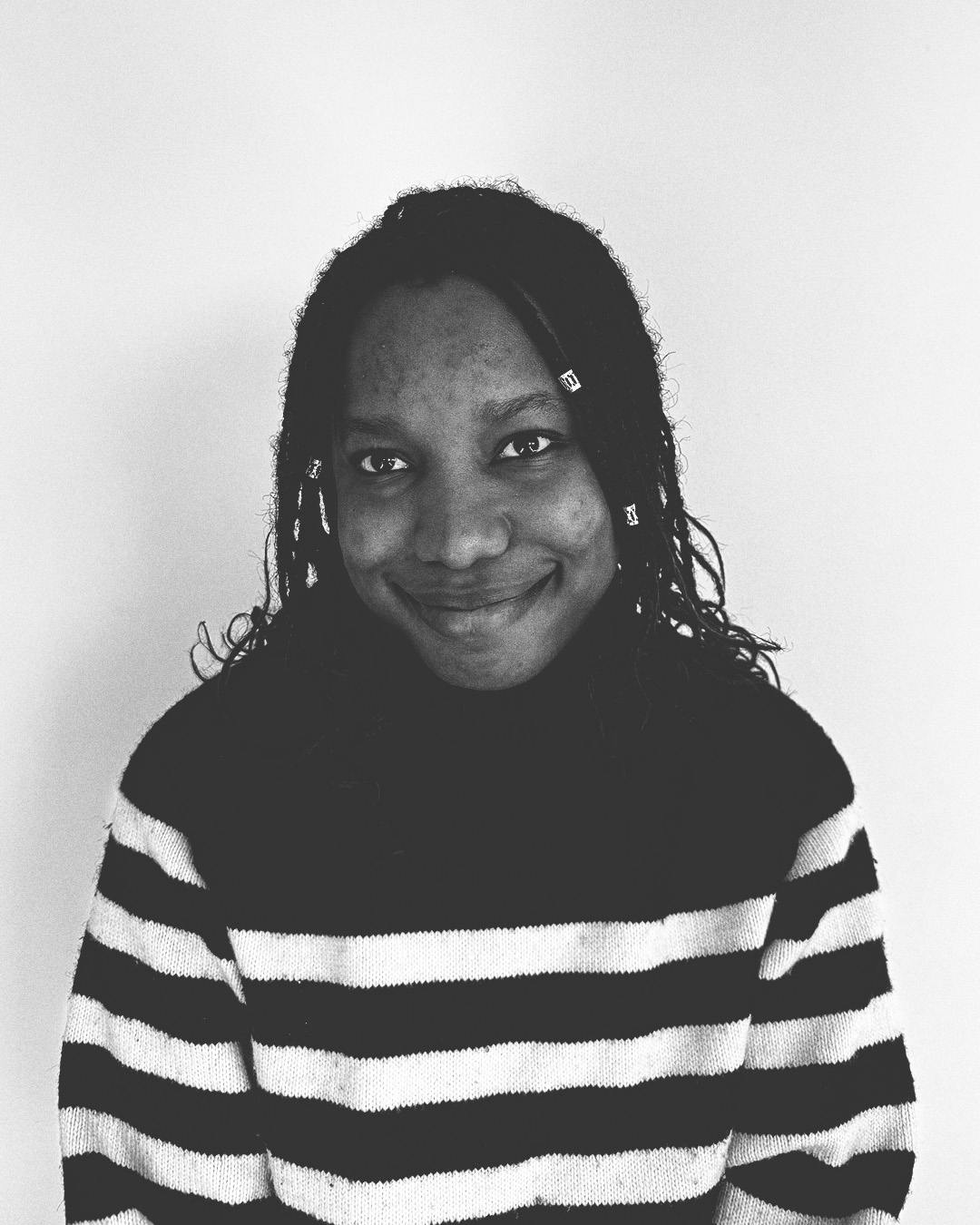
Sike graduated from Amherst College in May 2025 with a degree in Computer Science and Mathematics and now works as a software engineer at Google Cloud. Her training at the intersection of computation and the liberal arts shapes her belief that many problems are both technical and social, and that real power lies in putting technology into people’s hands.
You can experience the projects of the first cohort here.
The Archivi.ng Fellowship is proudly supported by Luminate.
Credits
Editors: Fu'ad Lawal, Ruth Zakari
Images: Laolu Majekodunmi