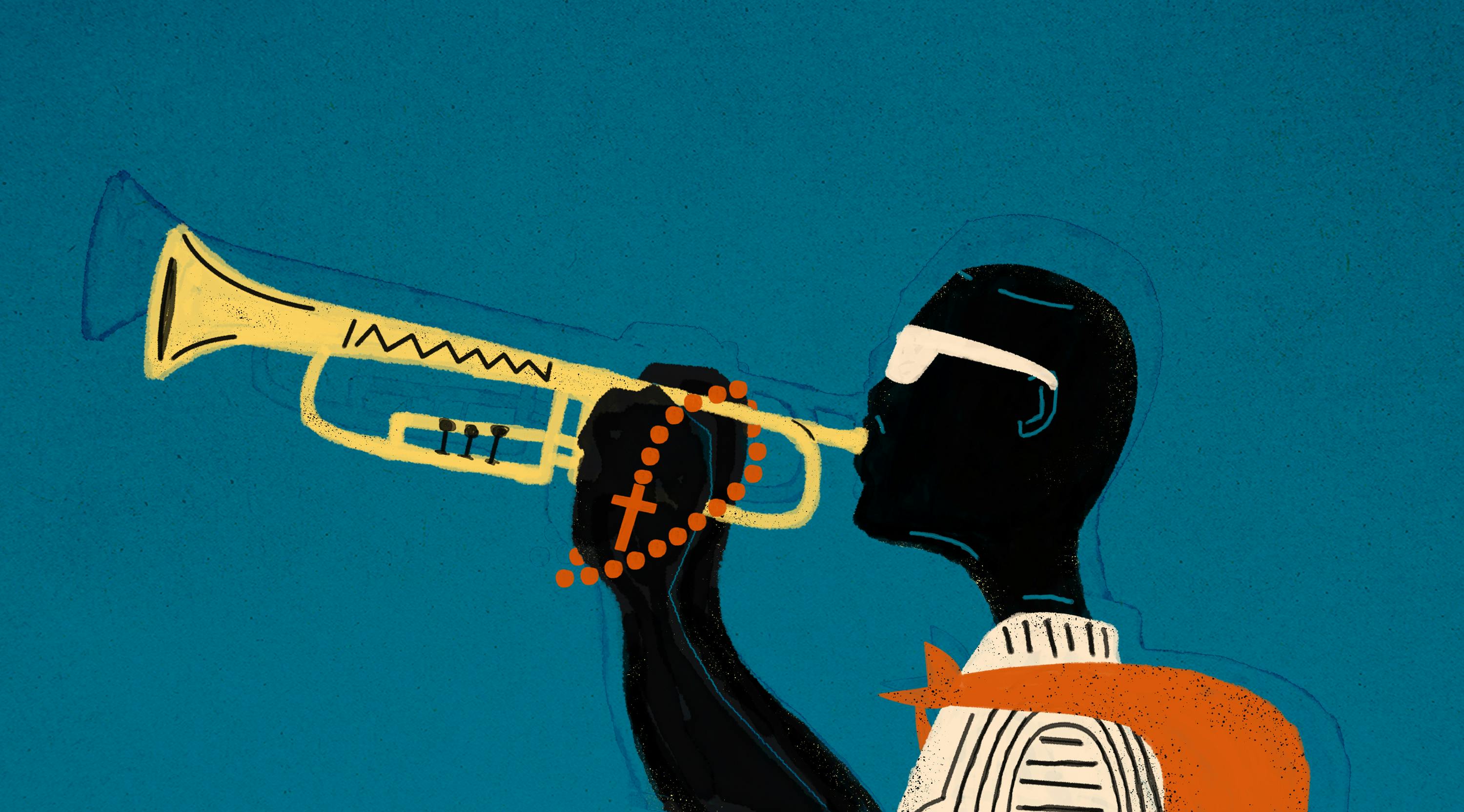
Whatever Happened to Bill Friday?
You could feel the energy if you had stepped into the hall that night. The thumps of bongo skin drums, the rattle of maracas, and the syllables of talking drums. The showmen dressed in shining attire and cabaret groups featuring a cocktail of artistry. The crowd inside the Ambassador Hotel in Lagos was about to witness the greatest music parade of the year.
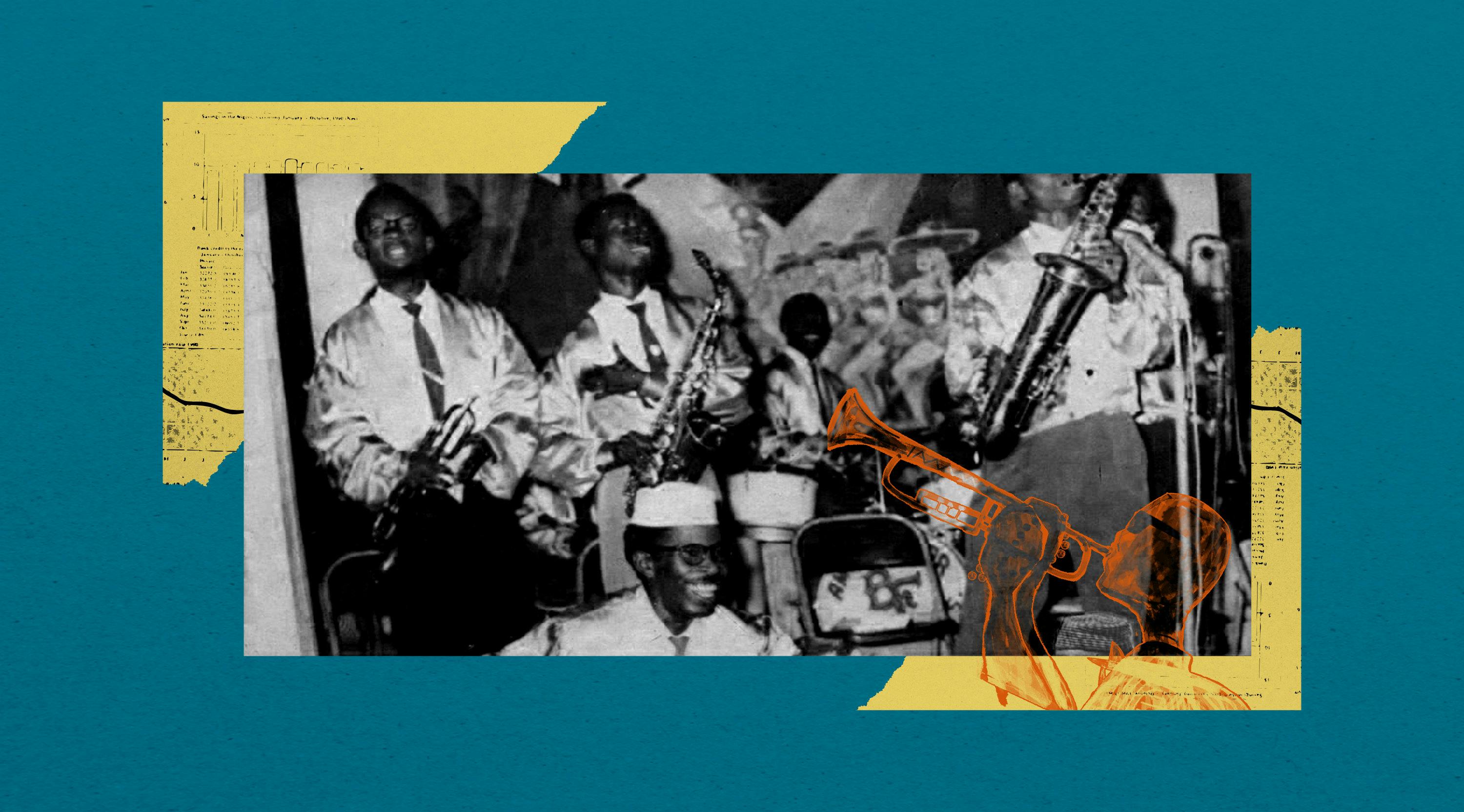
It was September 4, 1959. The Nigerian Union of Musicians had organised an all-night festival featuring the Nigerian musical elite. Promoted by the fully bearded Bobby Benson, the stage was a roll call of the 1950s superstars: Chris Ajilo and his ‘Cubanos’, Roy Chicago and the emerging ‘Comets’ from Ibadan, and E.C. Arinze, who would come to be regarded as “the grandmaster of highlife music.” One more man, lesser-known today, stood out among the stars of that night. Chief Bill Friday.
His name was constantly on the lips of Lagos priests, who warned their congregations about him. In their churches, the same set of feet that knelt to pray, and hands that raised high in worship on Sunday mornings, were in a different kind of church by evening, swaying to the sound of Bo Bo Bonsue and One Pound No Balance. At these evening gatherings called “Sunday Service,” the hall filled with nursing mothers who had left their babies with relatives, alongside jilted lovers, parents, and even children.
The stage was Friday’s pulpit, where he won souls and comforted all who walked through his doors. Friday, though admitting he was a devout Catholic—one who had served at Mass for seven years—would saturate the club air in Yaba with highlife music, the sound of his trumpet and band, the 12-piece Ambassador Downbeats.
The band featured Ernest Anezoba (drums), J.J. Omoba (trombone), Godfrey Omoba (second trumpet), Ikomi (tenor saxophone), Ray Ajue (conga), Stan Plange (guitar), Joe Mensah (the youngest of the group), George Enisa (alto saxophone) and Nat Hammond (bongos), who Friday described as “the man who comes from the land where woman works and man eats.”
Bill Friday was born on a Saturday in 1922 in Omoku, Ahoada division of Rivers State, son of Alfred Adah, a schoolmaster, turned seaman, turned businessman, who named him William Chukwuemeka Adah Osai. His early education began at Government School, Owerri, before he joined the Baptist Academy, Lagos. He left at the age of 22 and, a year later, joined the Police Force for the next 18 months before attempting to become a motor mechanic.
He would later work as a clerk with a foreign airline, then with a company owned and managed by Oladipo Amos. It was then that Friday decided to become a musician and earned a place at the Yaba Rex Club with Bobby Benson, a band leader. Friday learned how to play the trumpet and performed with Bobby’s band for three years.
His pursuit of music continued, with a pull that took him across borders. He left Benson’s band in the early 1950s to co-found a new group: the Delta Dandies, but this time in Ghana. Led by clarinettist Jibril Isa, the Delta Dandies had a regular show at a hotel in Accra owned by the band’s Nigerian proprietor, Morrison Dupre. But even this commanded Friday’s attention for only so long. The international jazz chief returned to his home country in the late 1950s and founded the Ambassador Downbeats that would quickly become a regular fixture in the sermons of Lagos priests.
Bill Friday became known for his trumpet improvisations and the aggressive quality of his solos, weaving bop and jazz phrasing into melodies that invited listeners to swing and sway on the dance floor. At that September 1959 concert at the Ambassador Hotel, as Lagos air carried the electric hum of a nation on the verge of independence, Friday’s career was at its prime.
Soon, Liberia started calling.
Friday, no stranger to being a star across borders, took the trip to the West African country for a contract worth $1,500 a month. But the deal fell through, and he was never paid. He spent the next four years stranded in Liberia, surviving only through the charity of Nigerians living there. One year, Bill Friday was making clubbers out of congregations, making the headlines with the greatest musicians of his time. The next, he was a destitute in another man’s land. “I suffered like hell,” he admitted.
By the time Friday returned to Nigeria, he was not the same. A household name with no home, almost no friends, or band to call his own. Plange was the leading man for another band, the Uhuru, and Mensah was studying in the United States. The rest of the Ambassador Downbeats were scattered all over.
When we meet Friday again in 1969, he is 47 years old, settled back in Lagos, in Maroko Village, which he loved to call Morocco City. He’s a regular at Papa Sunny’s joint, where a staple Sunday lunch was eba for six pence, and meat for six pence. Papa Sunny, whom Friday recognised as his benefactor, had nursed him back to health once when he was sick.
Despite his difficult circumstances, Friday nurtured the hope of returning to the stage, leading a band once more, beneath festival lights and the roar of cheering crowds. Once the darling of Lagos, his only audience now was the neighbourhood children, lulled by the sound of his organ, like multitudes of fans once were.
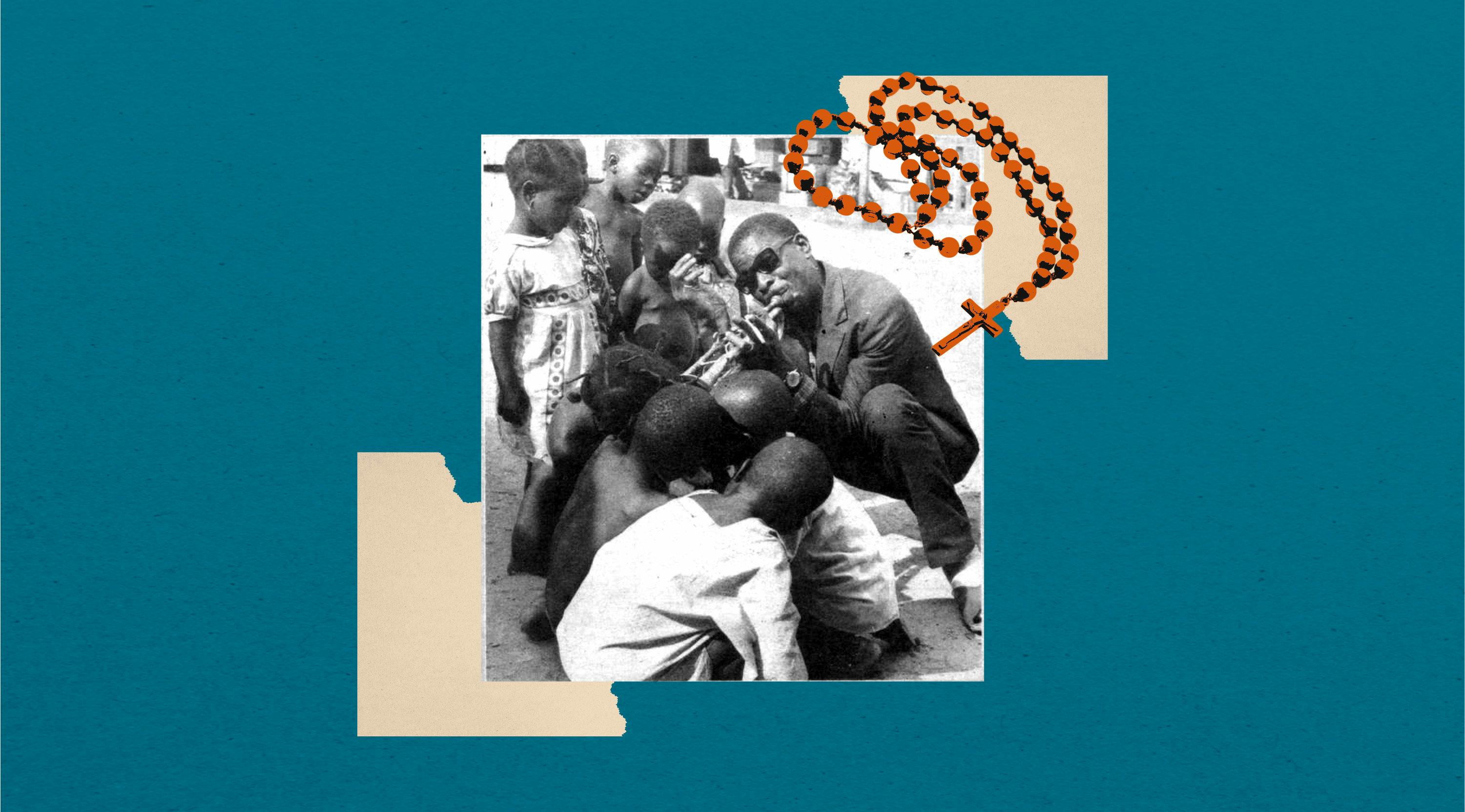
Friday did not go to church, but believed in God. He said, ”I cannot do anything against the will of God until He says I have suffered enough.” He read the Bible when he woke every morning and before he slept every night.
”I am playing for time,” he said. ”And praying for the arrival of a redeemer, of somebody who understands and will help.”
But for Bill Friday, the music had already stopped. His redeemer never arrived.
Become an ARCHIVI.NG member and get updates straight to your inbox
The story of Bill Friday’s life was reconstructed from a 1969 interview published by DRUM magazine.
Credits
Editor: Samson Toromade
Cover Design: Adeoluwa Henshaw