
What 99 Letters Tell Us About the Intimate Lives of Nigerian Women in the 1970s
Having a boyfriend in the 1970s was not embarrassing, as long as he wanted to marry you.
But between that hilly period from falling in love to getting married, Nigerian women—and girls—had questions about intimacy. When to continue caring or abandon the relationship? Who to believe when he misbehaves? Friends, family, neighbours or him? How much pressure should they feel when they aren’t married at 20? And after marriage, how much guilt if they don’t produce a kid in two years?
Some of these intimacy concerns still show up in relationships today, and the solution has become easier for many: if they love you, they’ll show it, and you’ll never have to question how true that love is. But Nigerian women in the 1970s didn’t have that level of conviction. Most wanted love and assurance. And beneath these needs was the chase for signals of stability.
Relationships have become more nuanced in the 21st century. Women choose themselves. They decide when they want to have kids. They’re less worried about being unmarried at 30. And it’s interesting to see some of the history that’s shaped how we move today.
A young woman in the 1970s questioned whether to choose a man over going to school or have sex with him to prove her love, and fewer women today see these questions as worth considering.
We’ve compiled 99 of these concerns that Nigerian women and girls had in the 1970s. It’s a tall number, but bookmark this story if you need to, because there’s a lot to unpack.
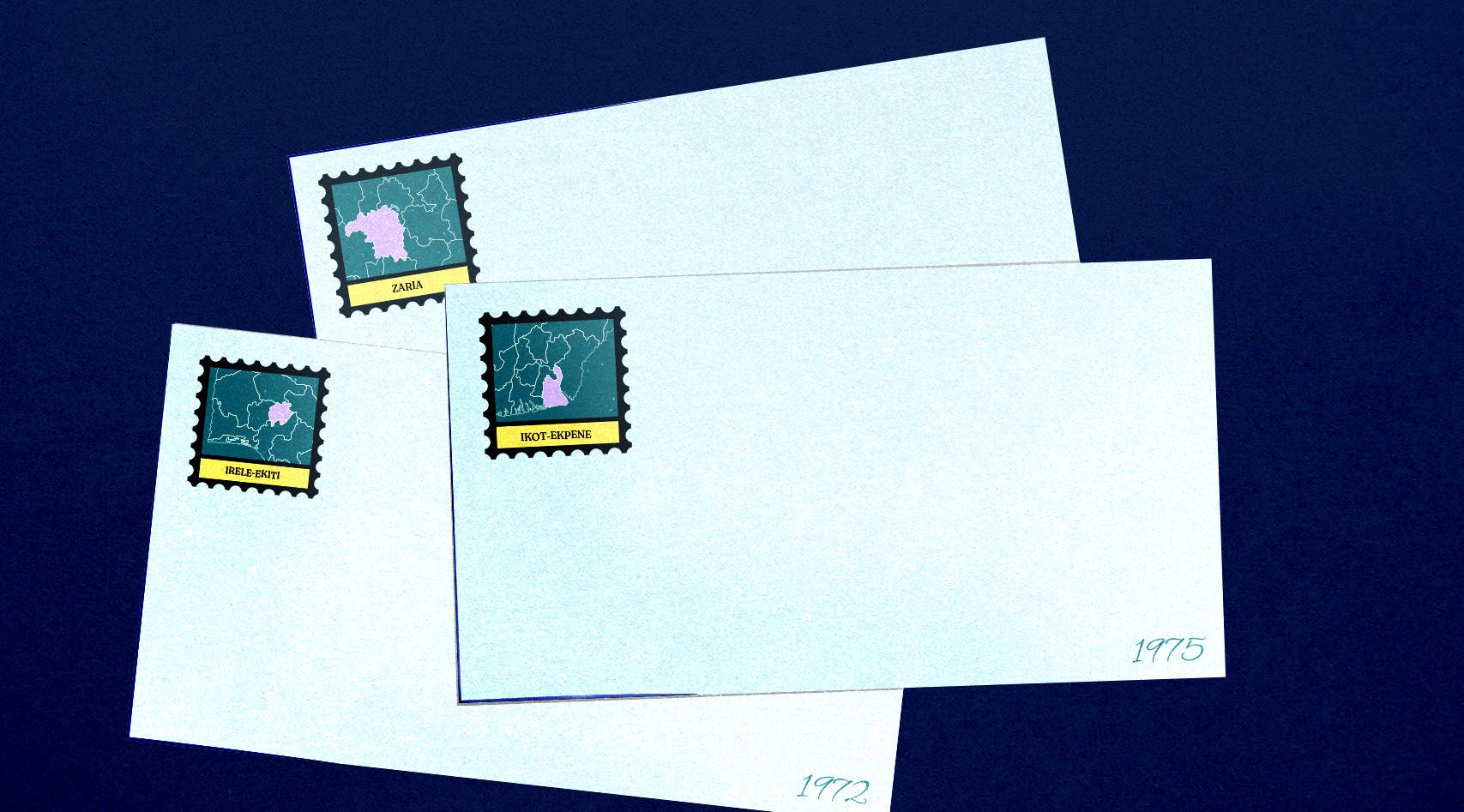
Early 1970s: 1970-1973
The decade began with caution and curiosity. The Nigerian civil war had just ended, and the country’s fractures showed up even in relationships. Beyond that, women faced a range of questions about love, marriage, and social expectations.
Mid 1970s: 1974-1976
By the mid-70s, women started questioning rules and exploring desire more openly, while still negotiating societal norms. These letters capture a generation testing boundaries and wondering how much they could assert their own wishes.
1977
1977 stands out in Nigerian history as the year of a major cultural shift. Did this change show up in the personal issues women wrote about to magazines?
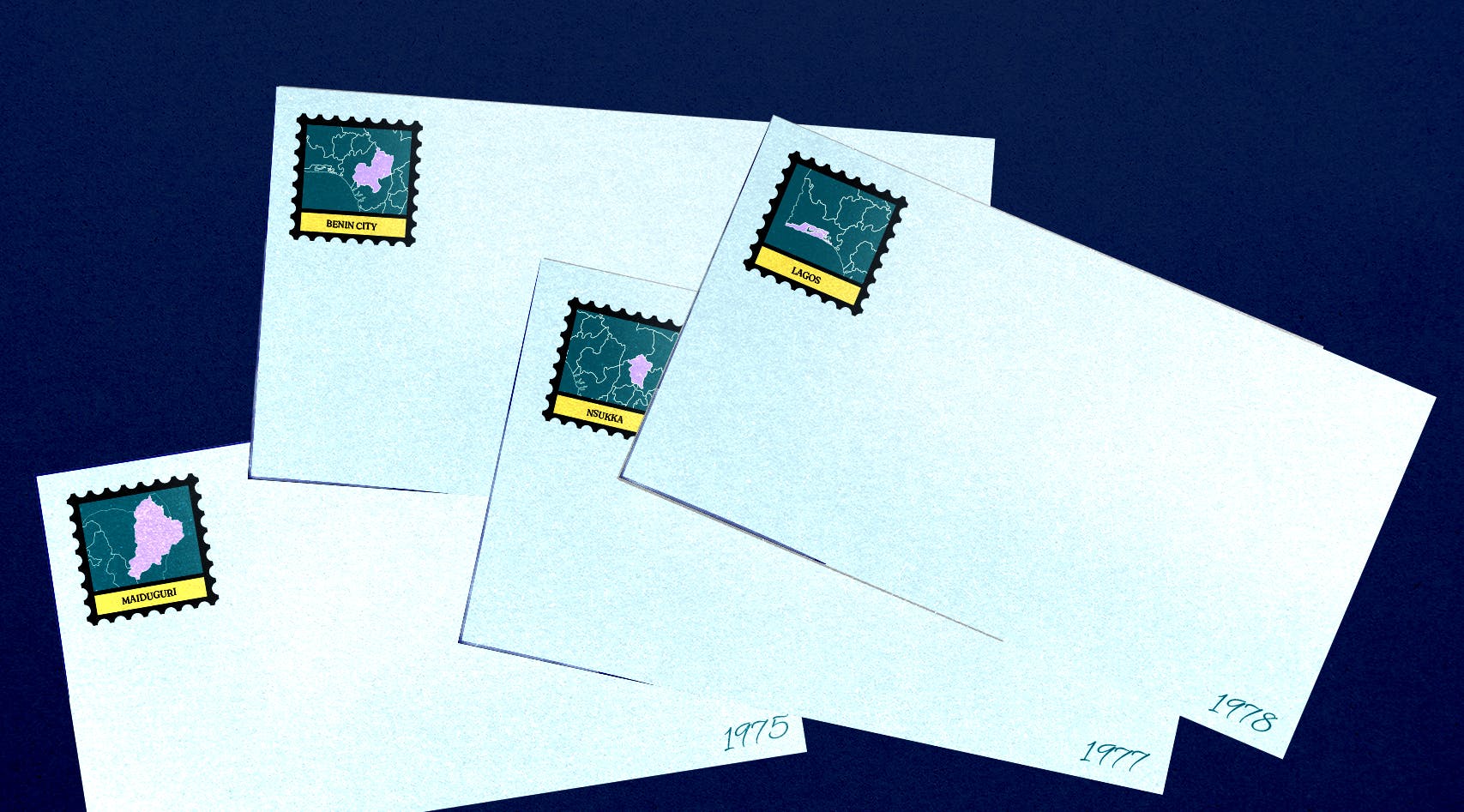
Late 1970s: 1978-1979
The decade closed with women asserting themselves more confidently, reflecting on their choices, and imagining lives that balanced love, education, and independence. These letters hint at a new sense of freedom entering the next decade.
The letters were compiled from issues of DRUM, TRUST and Woman's World magazines published between 1970 and 1979.
Credits
Editor: Samson Toromade
Art Director/Illustrator: Owolawi Kehinde
Researcher: Mariam Abdulsalam