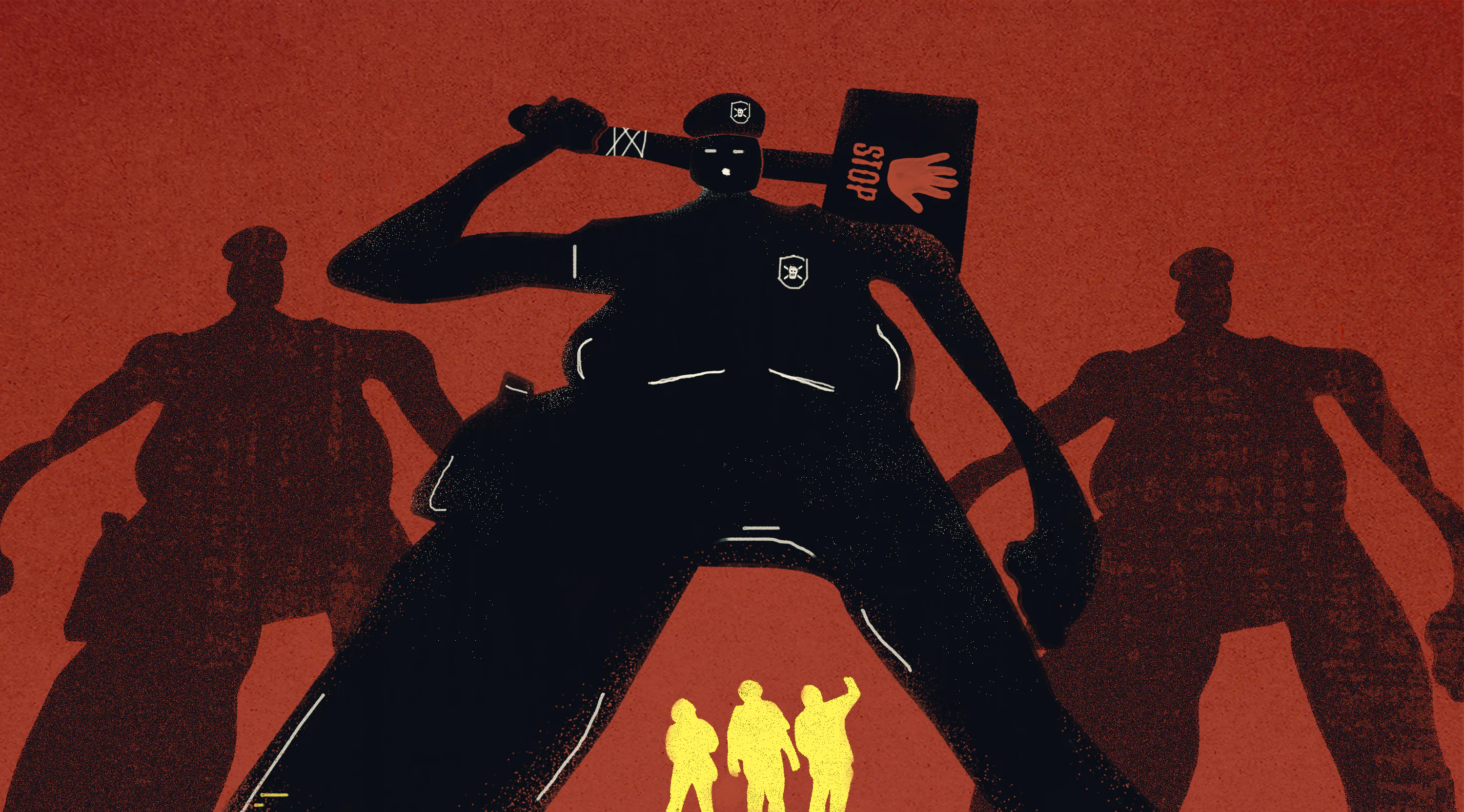
Stopped by a Nigerian Policeman
Dele Udoh married Angela on May 19, 1981, in a small Missouri chapel in the United States. Just the couple, the officiating minister, and the bride’s mother, Diana Bailey, as a witness.
Angela was weeks away from her eighteenth birthday. Dele was twenty-three. In Missouri, he could have been jailed for marrying a minor. But Diana Bailey loved him. She signed the consent form for the union to progress. Years later, she would give away two more of her daughters to Nigerian men because of the man Angela had chosen.
The couple had met two months earlier, in March, during Dele’s spring vacation. He left Columbia for Missouri to visit a friend. Angela was at her friend’s apartment, hanging out. His friend brought him over. Dele introduced himself. Said he was a great athlete. They started talking.
Dele told her she was intelligent, that she knew more about Africa than most African-Americans he had encountered. Angela called it “a whirlwind romance.” Less than ninety days from meeting in March to marrying in May.
By July 1981, Angela was pregnant.
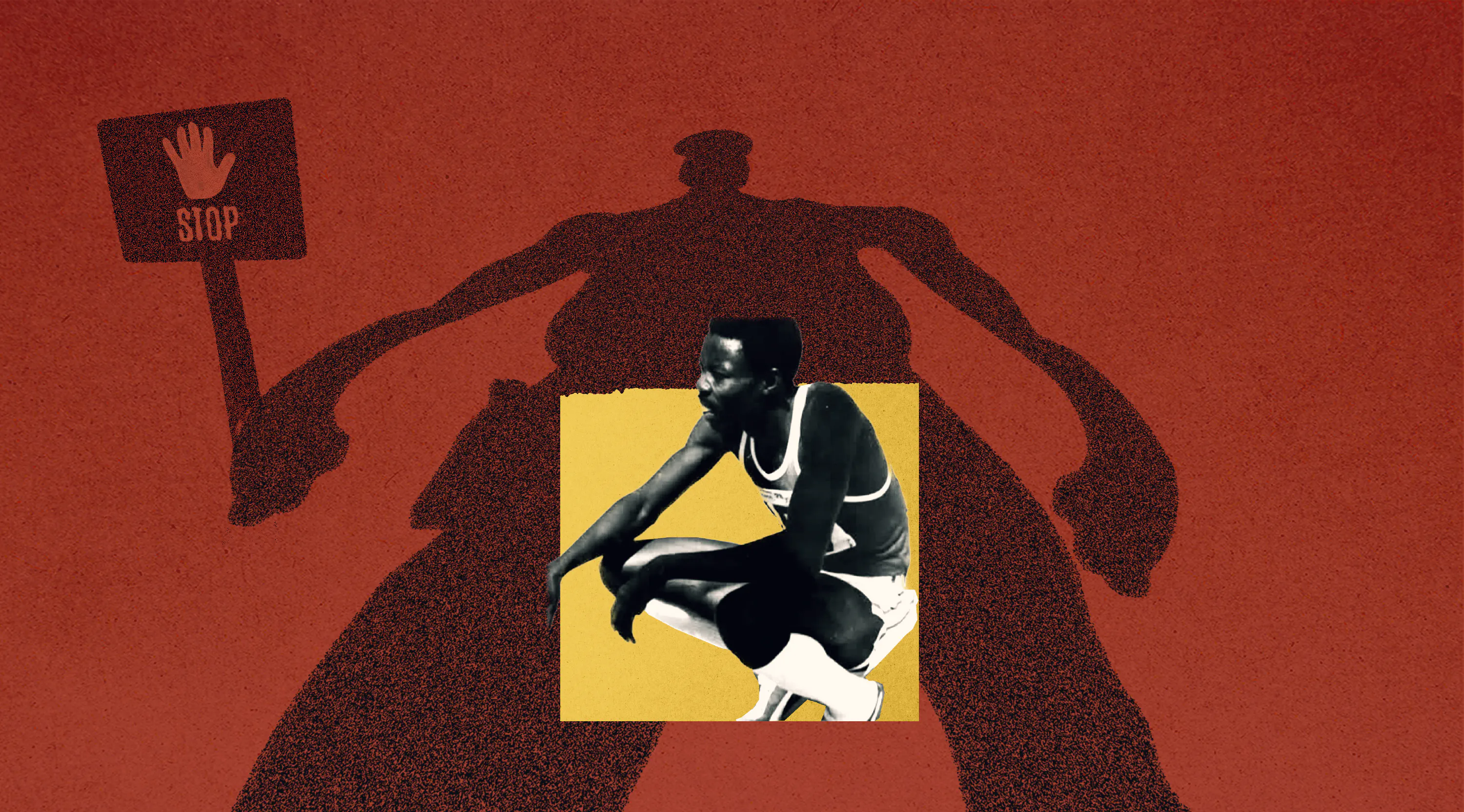
From the time he was young, Dele was fast. He started running in secondary school in Aba.
His father wanted him to focus on his studies first, a story many Nigerian sports stars can relate to. His brother Okechukwu tried to persuade him to listen to their father, but Dele told them he wanted to run.
After graduation, he went for trials. First in Umuahia, then Enugu, then Lagos. Each time, he performed well enough to move to the next level, from local meets to state competitions, then regional contests, and the national stage.
His legs eventually took him to America, to the University of Missouri in Columbia. He ran the 400 metres. His coach, Bob Teel, said he was a tremendously gregarious kind of guy with an enormous amount of common sense. Everyone who met him liked him.
In 1978, Dele and three other runners, Dan Lautt, Scott Clark, and Ed Ofili, set a world record in the sprint edley relay at the Baylor International in Waco, Texas. He was a star for the Missouri Tigers, but he never forgot home.
When Nigeria prepared for the 1976 Montreal Olympics, Dele was ready. The country withdrew at the last minute. He waited. Four years later, in 1980, he made it to Moscow. He ran the 4x400 relay with Sunday Uti, Hope Ezeigbo, and Felix Imadiyi. They didn’t make it past the first round, but Dele had represented home.
When Angela became pregnant, Dele returned to Nigeria to tell his stepmother, the one who cared for him after he lost his mother as a young boy. He also had plans for his brother, Okechukwu, and his cousin, Nduka. He wanted to take them back to the U.S. with him.
Dele was building something. A life in America with his young wife. A family that would soon include a daughter. Plans to bring his brother and cousin over. A career in athletics that was still on the rise. Everything was ahead of him.
July 15, 1981
It is night in Lagos. Dele is at the National Institute of Sports in Surulere. He is preparing for a continental competition. The Green Eagles football team is also there, getting ready for the World Cup and the African Nations Cup qualifiers.
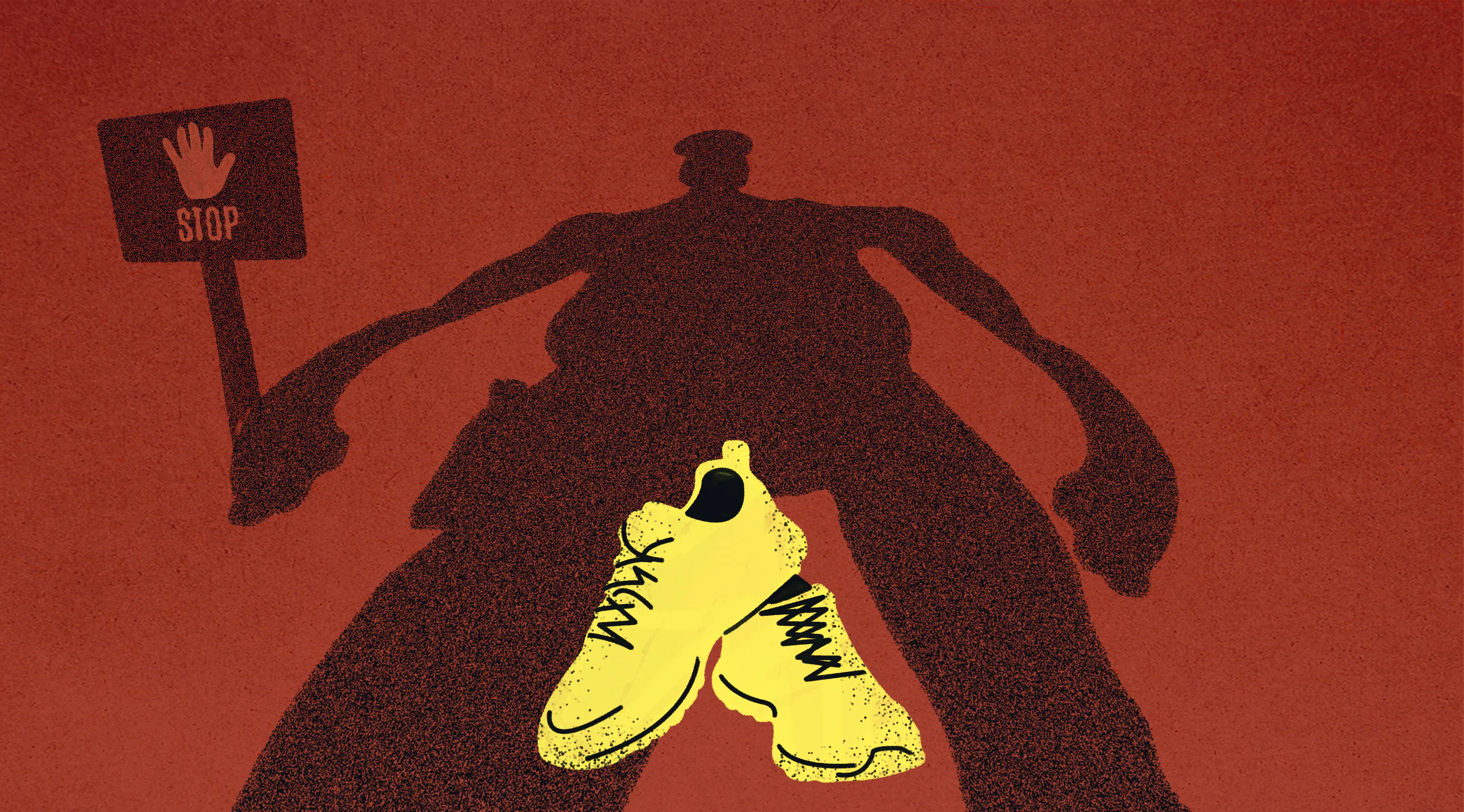
Dele and some other athletes have just come back from trials in Jos. They are arriving late at the camp. They are hungry. But the kitchen has closed.
Ojuelegba is nearby, just a few metres from the camp. There will be food there. So Dele and his teammates decide to go. Get something to eat, return to the institute, and rest for the next day’s training.
It is just hunger. Just young men going to find food after a long day. Nothing unusual. Nothing that should be dangerous.
In St. Louis, Missouri, Angela is pregnant with their daughter, Angellus. She is waiting for Dele to return. They have been married for less than two months. In Aba, his stepmother is preparing to travel to America when the baby comes. In Lagos, his brother is waiting to hear more about the plan to relocate.
Dele is leaving the camp that night with his friends. He is twenty-four years old. He is going to get dinner. It should be the most ordinary thing in the world.
Until a police officer flags down his car.
Become an ARCHIVI.NG member and get updates straight to your inbox
Ede
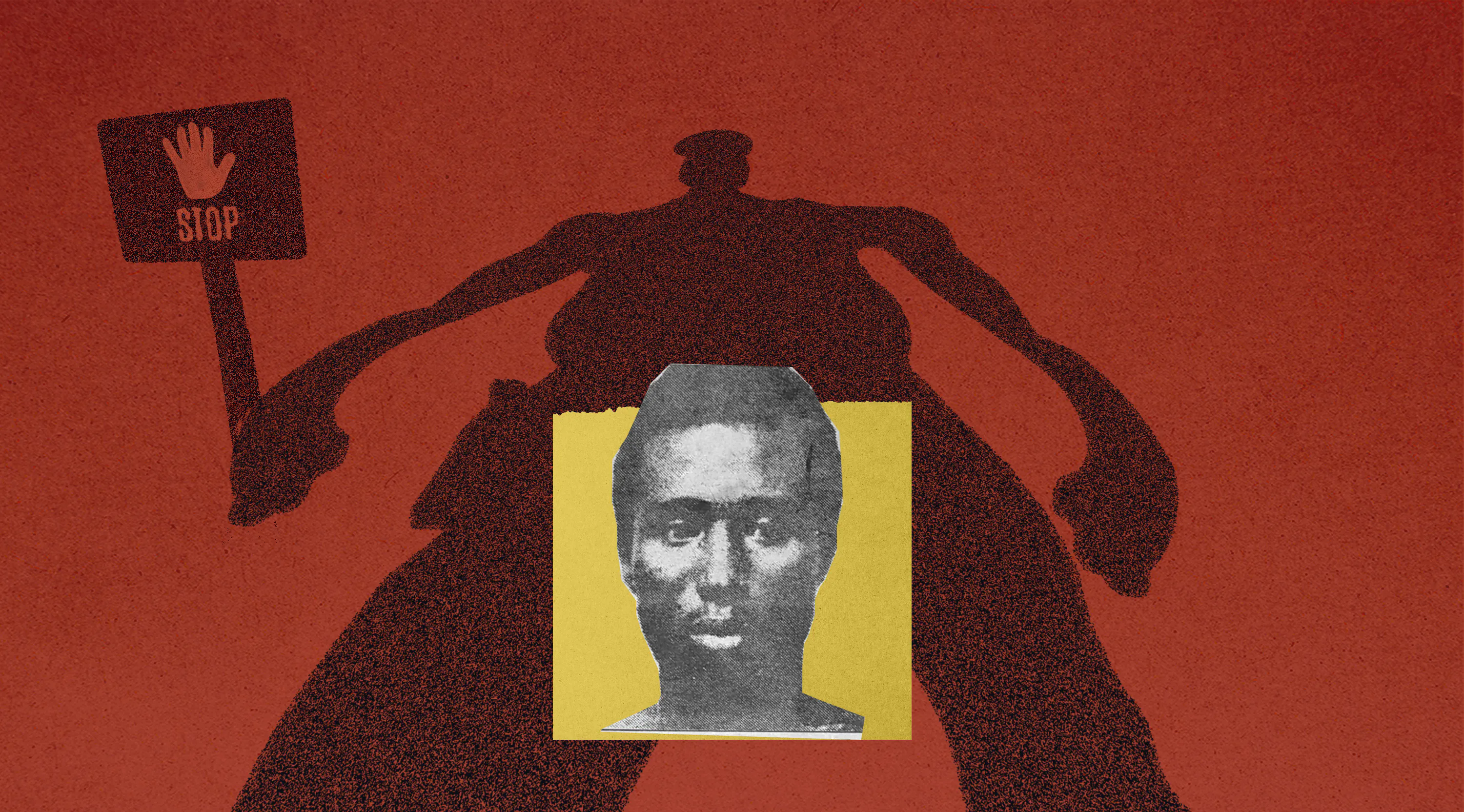
Ede Nwigwe played the xylophone like a man who was possessed.
He also played piano and organ, a seasoned musician who was hardworking, conscientious and versatile. The people who knew him would call him helpful, humble and unassuming, especially for someone very talented. He was compared to famous composers like Handel and Mozart.
Ede had taken his music to the world. On a cultural festival tour in 1979, he went as far as Brazil, Germany, the Netherlands, Switzerland, and Venezuela. He travelled virtually every year—the crowd couldn’t get enough of him. He played ethnic tunes, British and German national anthems, and popular European music.
By the 1980s, Ede was a senior cultural officer at the Centre for Cultural Studies at the University of Lagos. On May 26, 1989, he performed at a Suya Night event on campus. He was a breath of fresh air during a time of national tension.
Three years earlier, in July 1986, General Ibrahim Babangida’s military government had introduced the Structural Adjustment Programme (SAP). The IMF and World Bank claimed it was necessary. Nigeria’s economy was collapsing, the country suffering from crashing oil prices and mounting external debt.
SAP came with conditions, including currency devaluation, removal of subsidies on petroleum products and fertiliser, privatisation of state-owned enterprises, and interest deregulation. These were supposed to save the economy.
Inflation rose. Fuel prices tripled. Food prices soared. Transport fares skyrocketed. NEPA hiked electricity bills. NITEL increased phone rates, and workers faced wage freezes and mass retrenchments. Nigerians had to leave home earlier than usual because the transportation system had collapsed. It was at this time that the term “0-1-0” or “0-0-1” became popular slang, referring to which meals of the day a family could afford to skip. In universities, student hostels were overcrowded, examination fees went up, and university funding was slashed.
The students started pushing back with small demonstrations and scattered rallies in 1986. By early 1989, the National Association of Nigerian Students (NANS) had had enough. In March, they issued an ultimatum to the government. Some of their demands were: Abolish examination fees. Increase education funding. Remove security operatives from university campuses. Provide free healthcare for the elderly, women, and all Nigerians up to age 18. Reopen closed universities. Provide free education up to the secondary level.
The government still ignored.
Two days before Ede’s performance at the Suya Night event in Lagos, students at the University of Benin took to the streets with a mock coffin, chanting: “SAP must go, we are dying of hunger.” By May 30, students across Lagos were trooping out. Market women joined. Workers joined.
What started as peaceful protests turned violent. Petrol stations were burnt, government vehicles were torched, and government offices were ransacked. In Benin, 809 prisoners were freed from custody. The government responded with anti-riot police, mobile police squads, and soldiers.

May 31, 1989
Ede goes to work on Wednesday morning, but he cannot get in because of the protests. The campus and the streets around it are filled with protesters. He goes to stay with his troupe in town, away from the chaos. From there, he learns more about what is happening—the demonstrations spreading across Lagos, and how the police are responding, violently.
Then he decides to leave. He wants to be with his family, to ensure their safety. But somewhere between the university and his house, he disappears, and everyone starts searching for him.
An eyewitness who claims he was arrested and taken to Ketu Police Station swears that he saw the xylophonist there on May 31, 1989.
It’s the last time anyone sees Ede alive before his family finds his corpse at the morgue two weeks later.
Nnamdi
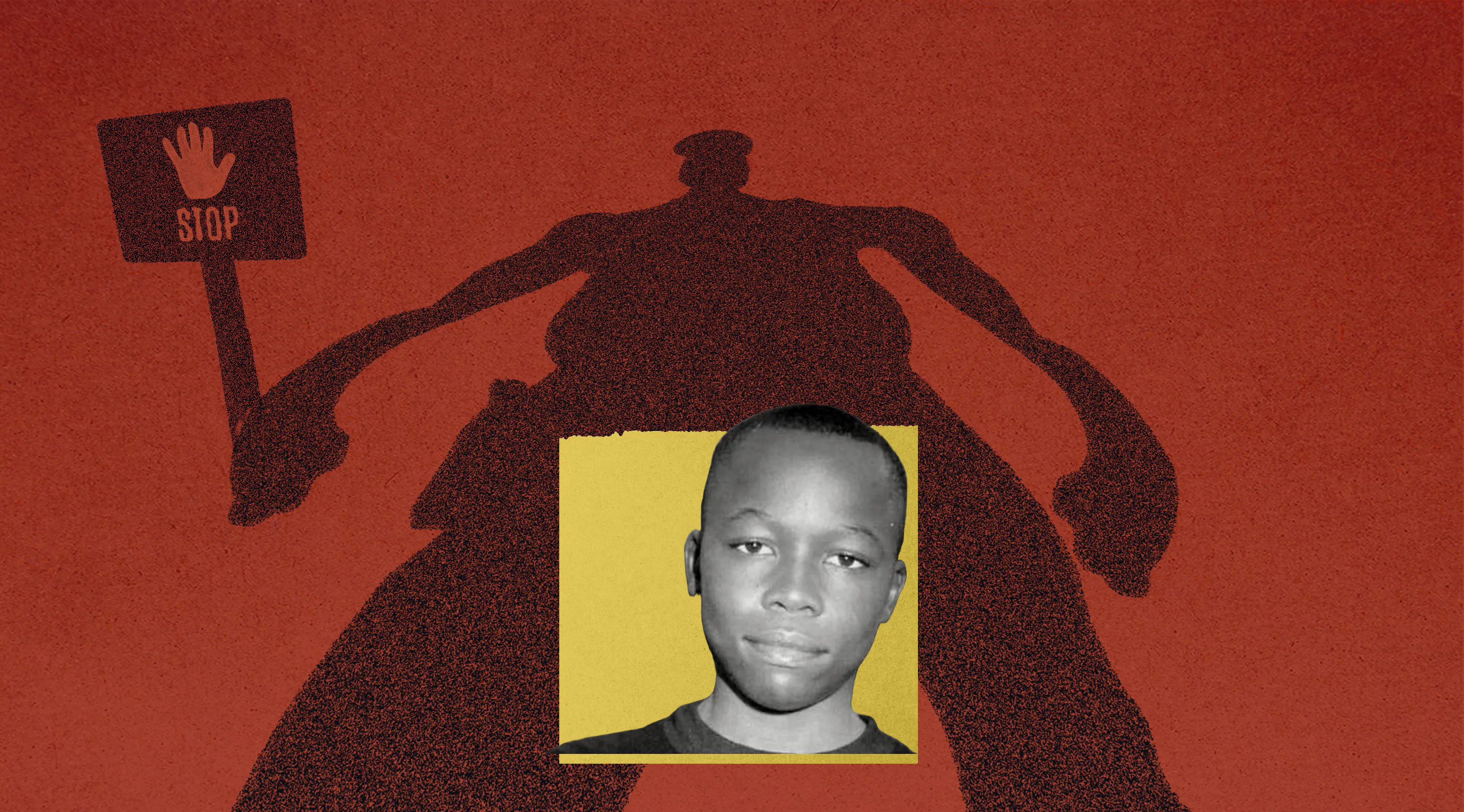
Nnamdi Ekwuyasi was afraid of the dark.
He said this once to his younger sister Francesca, when she confessed she was scared to go to the bathroom alone whenever NEPA took the light. He told her he felt the same way sometimes, but that you still had to do what you had to do.
That was the thing about Nnamdi. There was something about him that registered. An uncommon kind of wisdom. Something that made people feel like he already knew more than his age suggested.
He grew up with his grandparents in Ikoyi, Lagos, the eldest child in a house that was always full of siblings, cousins, aunties, and uncles.
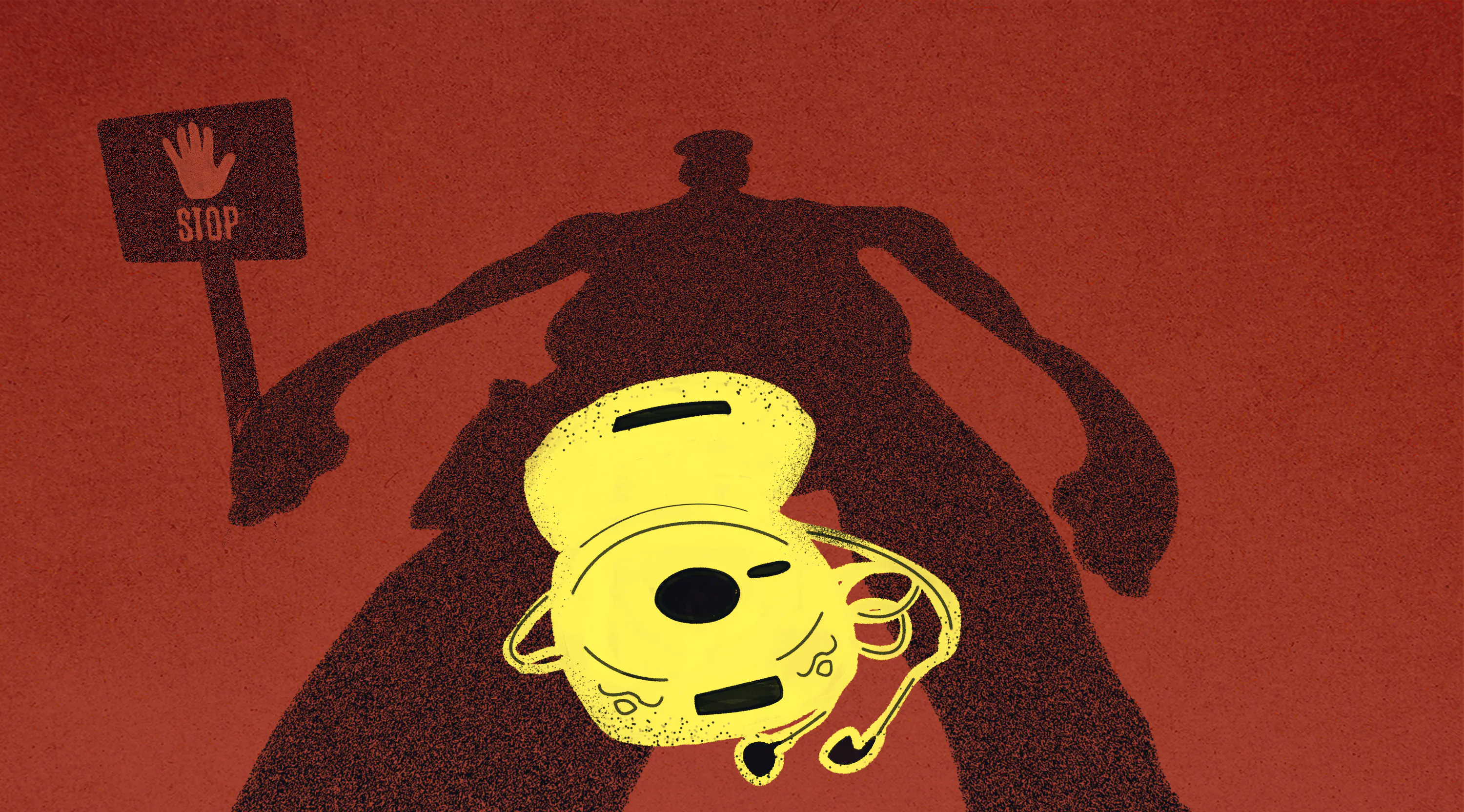
Nnamdi was the one who shaped the culture of the house, a big brother in every sense of the word. He would come home with VHS tapes rented from Videomart at Ikoyi Hotel or Videonet at Falomo Shopping Centre. Sometimes, American action movies; other times, scary slasher movies. He introduced his brother, Ikon, to hip-hop. He had a CD player filled with music by Jay Z, Linkin Park, and albums that became everyone’s favourites at home. He drew, read, and told stories, the kind that made you want to stay in the room.
He graduated from the Federal Government College, Ijanikin, wanting more out of his life. There, he became deeply excited about computers, dreaming about travelling to study in America.
As a teenager in the early 2000s, Nnamdi grew up in a city facing a wave of violent crime. In response, the police high command launched Operation Fire for Fire. It was an era defined by a “shoot-to-kill” philosophy that was intended to scare notorious armed robbers, but quickly transformed into a period of dread for even law-abiding citizens.
To launch the operation, the Inspector-General of Police, Tafa Balogun, deployed an anti-crime task force comprising 2,000 policemen to Lagos.
Police teams began patrolling streets in what witnesses described as a “Gestapo-style” manner, swooping into neighbourhoods to arrest people or firing guns sporadically into the air. These raids became regular exercises in intimidation, where the line between a criminal and a law-abiding citizen grew dangerously thin.
Innocent people found themselves caught in a climate where trigger-happy officers operated with a sense of impunity, turning public places into zones of potential violence.
June 22, 2002
It is a Saturday in Lagos. Nnamdi is a student at the University of Lagos studying Computer Technology. He’s spending the day hanging with Keji Akerele, his friend from secondary school. He’s having the kind of day eighteen-year-olds have, easy, unplanned, and stretching out with nothing urgent to get back to. At the beach, he’s wearing a pair of blue and orange basketball shorts, surrounded by friends.
Later that day, Nnamdi is in an Opel Omega car with three other boys his age. In the driver’s seat is Morakinyo, Keji’s older brother. He’s nineteen, also a University of Lagos student, studying chemical engineering. They are coming from the school campus, where they dropped off Morakinyo’s sister. They are in Ikoyi, minutes away from Nnamdi’s home. It is approaching 9:30 pm.
At Falomo junction, a team of policemen flags down the car. This is the same junction he has passed his entire life. The same neighbourhood where his family’s house sits, sandwiched between police establishments, where armed officers keep vigil round the clock, just metres away. A place that has always felt, if anything, over-policed. Safe.
The car is slow to stop. The policemen conclude it is not going to. That they must be armed robbers. They fire their guns many times at the car and the four young men inside it. The bullets rip through the bodies of Morakinyo and Nnamdi in the front seat.
Seven weeks to his nineteenth birthday, everything goes dark.
Erased...
A typical report of a police brutality incident enters the record through the mechanics of the violence. How it happened, who was there, maybe a police statement promising justice. Often, the story begins and ends at the encounter, leaving the life, the plans, the people as background to a systemic problem of state violence.
But there’s usually more. Someone in the middle of something. Going to eat. Preparing for the next day’s work. Returning home to the familiar faces of loved ones.
Dele, Ede, and Nnamdi—and Morakinyo—were simply people moving through ordinary days. Each of them had somewhere to be next. Not anything dramatic. Just the ordinary continuation of a life, with plans that stretched beyond an encounter with a police officer.
And then those futures stopped, at the end of someone’s barrel. The one meant to protect and serve.
Dele would never welcome his daughter to the world, and she would only know her father mostly through old track medals and her mother’s stories. Music went quiet at the University of Lagos when Ede walked into a police station and never walked back out. Nnamdi would never go to America or watch his brother become a music producer and rapper, a tree he had watered.
All the lives they might have lived, all the moments still waiting to happen, were erased in a heartbeat.
Credits
Editor: Samson Toromade
Illustrations: Adeoluwa Henshaw